
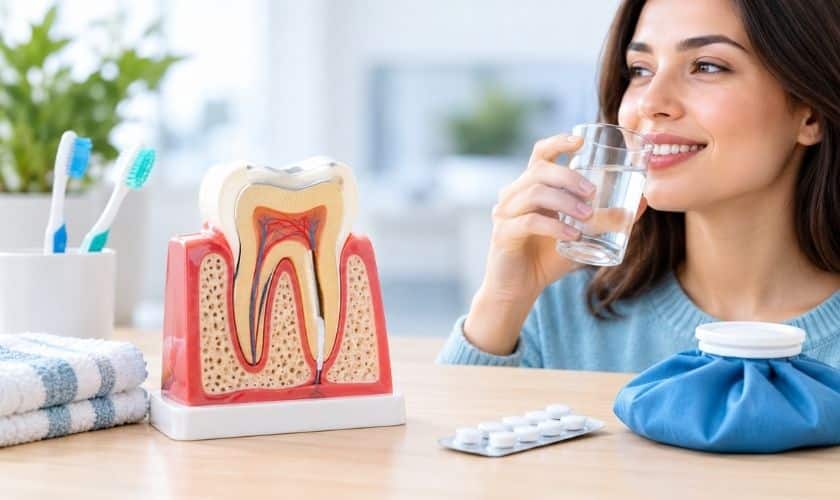
Root canal treatment helps save a damaged or infected tooth while relieving discomfort and protecting your natural smile. Although the procedure removes infected tissue from inside the tooth, proper aftercare is essential for healing and long-term success. Knowing what to eat, how to manage soreness, and when to return for follow-up care can make recovery easier.
For patients in Lubbock, following a few simple precautions after a root canal can help protect the treated tooth and reduce the risk of complications. Here is what you should know about caring for your tooth after the procedure.
What to Expect After a Root Canal
It is normal to experience mild tenderness, sensitivity, or soreness around the treated tooth for a few days after the procedure. The surrounding tissues may need time to recover, particularly if the tooth was infected or inflamed before treatment.
Your mouth may also remain numb for several hours because of local anaesthesia. During this period, avoid chewing until normal sensation returns to prevent accidentally biting your cheek, tongue, or lips.
Most people can resume their usual daily activities shortly after treatment. However, recovery varies depending on the condition of the tooth and the complexity of the procedure.
7 Essential Root Canal Aftercare Tips
1. Choose Soft Foods During Recovery
Eating soft foods can help prevent unnecessary pressure on the treated tooth. Consider options such as yoghurt, mashed potatoes, scrambled eggs, oatmeal, soup that is not too hot, and soft-cooked vegetables.
Avoid hard, crunchy, sticky, or chewy foods, including nuts, popcorn, caramel, and hard sweets, until your dentist confirms that the tooth is ready for normal chewing. If the tooth has a temporary filling, these precautions are particularly important.
2. Avoid Chewing on the Treated Side
Try to chew on the opposite side of your mouth until the permanent restoration is placed and your dentist confirms that chewing is safe.
A tooth that has undergone root canal treatment may be more vulnerable to fracture, especially before it receives a permanent filling or dental crown. Avoid biting directly into hard foods with the treated tooth during this period.
3. Maintain Good Oral Hygiene
Keeping your mouth clean supports healing and helps prevent further dental problems. Brush your teeth gently twice a day with a soft-bristled toothbrush, taking care around the treated area.
Continue flossing daily, but be gentle when cleaning around the tooth. Do not skip oral hygiene because of mild tenderness. If your dentist provides specific cleaning instructions, follow them carefully.
4. Manage Discomfort as Directed
Mild discomfort after a root canal is common and generally improves over several days. Your dentist may recommend an appropriate over-the-counter pain reliever based on your medical history and individual needs.
Follow the recommended dosage and instructions on the medication label. Do not place aspirin directly on your tooth or gums, as this can irritate or damage the tissue. Contact your dentist if pain becomes severe or continues to worsen instead of improving.
5. Avoid Smoking and Limit Irritating Habits
Smoking can interfere with oral healing and negatively affect gum health. Avoid smoking during recovery, and consider reducing or quitting it for better long-term oral health.
You should also avoid biting your nails, chewing ice, or using your teeth to open packages. These habits can place excessive pressure on a tooth that is still awaiting its final restoration.
6. Attend Your Follow-Up Appointment
A root canal is often completed with a permanent filling or crown to restore the tooth’s strength and function. Depending on the amount of remaining natural tooth structure, your dentist may recommend a crown to reduce the risk of fracture.
Do not delay your follow-up appointment, even if the tooth feels comfortable. Completing the recommended restoration helps protect the treated tooth and supports its long-term use.
7. Watch for Warning Signs
Although complications are uncommon, it is important to recognise symptoms that require professional attention. Contact your dentist if you experience increasing pain, significant swelling, a returning toothache, a loose temporary filling, or a bite that feels uneven.
Facial swelling accompanied by fever or difficulty swallowing requires urgent medical or dental assessment. Difficulty breathing or rapidly progressing swelling warrants emergency care.
When Should You Contact Experts?
Most post-treatment soreness gradually improves within a few days. However, persistent or worsening symptoms should not be ignored. Your dentist can determine whether the discomfort is part of normal healing or indicates a problem that needs further treatment.
If you have questions about your recovery or experience unexpected symptoms, Contact Us to discuss your concerns with our dental team. Early assessment can help identify potential complications before they become more serious.
Patients seeking guidance about recovery and follow-up care can also speak with the team at Dental Group of Lubbock to understand the next steps in protecting their treated tooth.
How to Protect Your Tooth After Recovery
Once healing is complete, continue brushing twice daily, flossing regularly, and attending routine dental check-ups. A root canal-treated tooth does not need special daily cleaning products, but it does require the same consistent care as your other teeth.
Avoid using your teeth as tools, limit frequent sugary snacks, and follow your dentist’s recommendations for a permanent filling or crown. If you live in Lubbock and need an examination or follow-up evaluation, visit our dental office to discuss your oral health needs.
With proper care, a restored tooth can remain functional for many years. Good oral hygiene, timely restoration, and regular professional monitoring are the foundations of long-term success.
Frequently Asked Questions
1. How long does it take to recover from a root canal?
Most people experience mild soreness for a few days after treatment. Recovery depends on the severity of the original infection, the tooth’s condition, and whether additional restorative work is needed.
2. What foods should I eat after a root canal?
Choose soft foods such as yoghurt, mashed potatoes, scrambled eggs, oatmeal, and soft-cooked vegetables. Avoid hard, crunchy, sticky, or chewy foods until your dentist confirms that chewing is safe.
3. Can I brush my teeth after a root canal?
Yes, you can usually brush your teeth the same day. Use a soft-bristled toothbrush and clean the treated area gently. Continue flossing carefully unless your dentist provides different instructions.
4. Is pain normal after root canal treatment?
Mild tenderness and sensitivity are common for several days. However, severe, persistent, or worsening pain, especially with swelling or fever, may indicate a complication that requires professional assessment.
5. When can I eat normally after a root canal?
You can generally return to your normal diet once numbness has worn off and your dentist confirms it is safe. Avoid chewing hard foods on the treated tooth until its permanent restoration is completed.
6. Do I always need a crown after a root canal?
Not every treated tooth requires a crown. Back teeth and teeth with substantial structural damage often benefit from one, while some front teeth may need only a suitable filling, depending on their condition.
7. What should I do if my temporary filling falls out?
A lost temporary filling should be assessed by your dentist as soon as possible. Avoid chewing on that tooth, keep the area clean, and do not attempt to repair it with household adhesives or other unsuitable materials.