
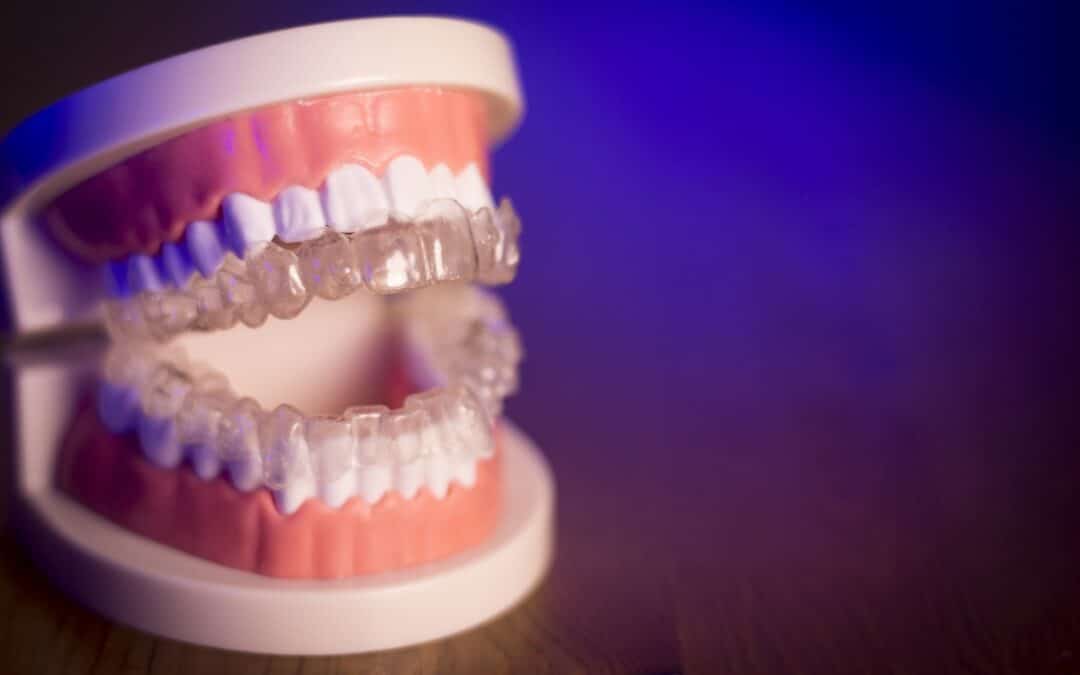
Straightening your teeth has never been more accessible or more discreet, thanks to Invisalign. These invisible aligners have revolutionized orthodontics, offering a comfortable and nearly invisible alternative to braces. They allow you to maintain your confidence and lifestyle while improving your smile. But like any orthodontic treatment, they’re not without challenges.
One issue that some users face is gum recession. This condition, where the gum tissue pulls back from the teeth, can leave you vulnerable to sensitivity, discomfort, and long-term oral health problems. While gum recession isn’t a guaranteed side effect of clear teeth straighteners, certain factors can increase your risk. Knowing how to prevent and manage it is key to enjoying the full benefits of your aligners without compromising your gum health.
Let’s dive into the causes, symptoms, and best practices to protect your gums using Invisalign!
Causes of Gum Recession with Invisalign
Gum recession or gum disease isn’t caused directly by invisible aligners but may develop due to associated factors:
Improper Aligner Fit
Aligners that don’t fit well can exert unnecessary pressure on the gums, leading to gradual recession.
Poor Oral Hygiene
If food particles and plaque accumulate around the gum line, they can trigger inflammation, weakening gum tissue.
Overuse of Aligners
Wearing aligners longer than recommended without breaks may prevent gums from getting adequate rest and circulation.
Underlying Dental Issues
Pre-existing conditions like weak gums or early-stage periodontal problems may worsen with aligner use if not addressed promptly.
Symptoms of Gum Recession
Recognizing gum recession early is crucial to prevent further complications. Watch for these signs:
- Visible Changes in the Gum Line: Noticeable shrinking or pulling back of the gums.
- Tooth Sensitivity: Increased discomfort when consuming hot, cold, or sweet foods and drinks.
- Mild Gum Bleeding: Bleeding during brushing or flossing.
- Gum Discomfort or Pain: Persistent soreness or irritation around the teeth.
- Loose Teeth: Teeth may feel unstable or shift slightly.
- Deep Pockets Between Teeth and Gums: These gaps can trap bacteria, worsening the issue.
- Tooth Roots Becoming Visible: Exposed roots may appear darker or uneven compared to the tooth enamel.
What Should You Do If You Notice Gum Recession During Invisalign Treatment?
If you suspect gum recession, visit the dental office immediately. A dental professional can assess the severity, recommend adjustments to your treatment, and provide solutions to protect your gums. Early intervention can prevent further damage and ensure your aligners work effectively.
Oral Hygiene Practices to Reduce Gum Recession
Maintaining vital oral hygiene is crucial for preventing gum recession during Invisalign treatment. Here are some good practices to keep your teeth and gums healthy:
- Brush Your Teeth Twice a Day
Use a soft-bristled toothbrush and fluoride toothpaste to clean the teeth and gums gently. Brushing removes plaque buildup that could irritate your gums and helps maintain oral hygiene. - Floss Daily for Better Gum Health
Flossing is essential for thoroughly cleaning between teeth, which a toothbrush cannot reach. It prevents food particles and plaque from lingering and causing gum inflammation. - Keep Your Aligners Clean
Rinse and clean your aligners every day. This prevents bacterial growth that could irritate your gums or lead to infections. A clean aligner ensures better gum health and overall comfort. - Stay Hydrated Throughout the Day
Drinking enough water keeps your mouth hydrated, prevents dryness, and reduces plaque buildup along the gum line. - Avoid Smoking
Smoking weakens gum tissue, slows healing, and significantly increases the risk of gum-related problems. - Schedule Regular Checkups
Regular visits to a dentist in Lubbock or your local dental office ensure your aligners fit well and your gums remain healthy. - Massage Your Gums Gently
Stimulating your gums with a gentle massage improves circulation and strengthens gum tissue, reducing recession risks.
By following these practices, you can safeguard your gums and enjoy a healthier, more confident smile!
Invisalign offers a discreet, effective way to straighten teeth, but it’s essential to be mindful of potential gum issues like recession. Recognizing early symptoms and addressing them promptly can help maintain healthy gums throughout your treatment. Ensuring a proper fit for your aligners, excellent oral hygiene, and regular checkups will minimize the risk of gum recession.
If you’re looking for expert guidance and quality care, trust the Dental Group of Lubbock to help you achieve a healthier, more confident smile. Start your journey to better oral health today!