
Missing teeth can profoundly impact daily life, turning simple tasks like chatting with friends or enjoying a meal into frustrating challenges. If you’ve lost teeth due to decay, injury, or gum disease, you might notice slurred speech, difficulty pronouncing words, or struggling to chew tough foods. Dental implants offer a game-changing solution, restoring natural function and confidence. Unlike dentures or bridges, implants integrate seamlessly with your jawbone, mimicking real teeth in both form and performance.
In this post, we’ll explore how dental implants enhance speech and chewing, backed by dental science and patient experiences. Whether you’re dealing with a single missing tooth or a full-arch restoration, understanding these benefits can help you decide if implants are right for you. Let’s dive in.
The Science Behind Dental Implants
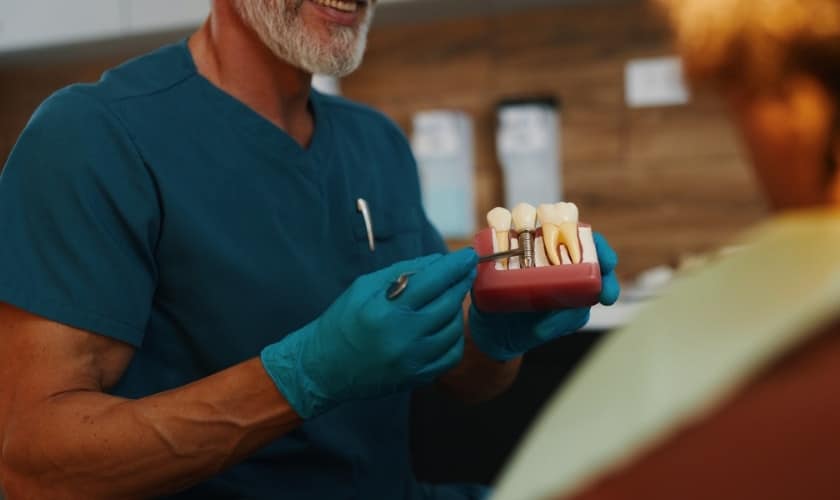
Dental implants consist of a titanium post surgically placed into the jawbone, acting as an artificial root, topped with a custom crown that looks and functions like a natural tooth. This design preserves jawbone density, preventing the “sunken” look common with tooth loss.
When teeth are missing, the jawbone deteriorates over time—a process called resorption—leading to changes in facial structure and bite alignment. Implants combat this by stimulating the bone through osseointegration, where the titanium fuses with bone tissue over 3-6 months. This stability directly translates to superior speech and chewing compared to alternatives.
Studies from the American Dental Association show implants achieve success rates over 95%, with patients reporting near-natural sensation. For Lubbock residents facing tooth loss, consulting a dental implant specialist in Lubbock ensures personalized treatment with cutting-edge techniques.
How Dental Implants Revolutionize Chewing
Chewing is more than breaking down food; it’s essential for digestion, nutrition, and overall health. Without teeth, people often stick to soft foods, leading to malnutrition, digestive issues, and weight loss.
Restored Biting Force and Efficiency
Natural teeth generate up to 200 pounds of biting force. Traditional dentures manage only 20-50 pounds, slipping during use and causing discomfort. Implants restore 80-100% of natural force, allowing you to bite into apples, steaks, or nuts effortlessly.
The fixed nature of implants eliminates the need for adhesives or relining, common denture hassles. A 2023 study in the Journal of Prosthetic Dentistry found implant patients chewed 2-3 times more efficiently than denture wearers, improving food breakdown and nutrient absorption.
Preventing Bone Loss and Bite Misalignment
Tooth loss triggers bone resorption, altering your bite and making chewing uneven. Implants halt this, maintaining jaw integrity. Patients often report enjoying diverse diets post-implant, reducing risks like gastrointestinal problems from poor chewing.
Imagine savoring a juicy burger without worry—that’s the implant advantage.
Enhancing Speech with Dental Implants
Speech relies on precise tongue, lip, and tooth coordination. Missing teeth disrupt airflow, causing lisps, whistles, or mumbling, which erode confidence in conversations, presentations, or social settings.
Clearer Pronunciation and Articulation
Certain sounds—like “s,” “th,” “f,” and “v”—require teeth for proper formation. Gaps from missing teeth allow excess air escape, creating distortions. Implants fill these spaces exactly, enabling crisp enunciation.
Denture wearers frequently complain of “clicking” or slippage mid-sentence, prompting self-consciousness. Implants stay secure, providing a stable base. Research from the International Journal of Oral & Maxillofacial Implants indicates 90% of implant patients experience immediate speech improvement, with full adaptation in weeks.
Boosting Confidence in Communication
Beyond mechanics, implants restore self-assurance. No more avoiding words or speaking softly. Patients share stories of thriving in job interviews or family gatherings post-treatment, reclaiming their voice.
For those near Lubbock seeking reliable care, a trusted dentist near Lubbock can assess your speech challenges and recommend implants tailored to your needs.
Comparing Implants to Other Tooth Replacement Options
| Option | Chewing Efficiency | Speech Stability | Longevity | Bone Preservation |
|---|---|---|---|---|
| Dental Implants | 80-100% natural | Excellent (fixed) | 15+ years | Yes |
| Dentures | 20-50% natural | Poor (slips) | 5-7 years | No |
| Bridges | 60-80% natural | Good | 10-15 years | Partial |
Implants outperform alternatives in durability and function, making them a worthwhile investment despite higher upfront costs (typically $3,000-$5,000 per tooth, often covered partially by insurance).
The Implant Procedure: What to Expect
Getting implants is straightforward, spanning 4-9 months:
- Consultation and Planning: X-rays and 3D scans map your jaw.
- Implant Placement: Outpatient surgery under local anesthesia places the post.
- Healing Period: Osseointegration occurs; temporary prosthetics may be used.
- Abutment and Crown: Final restoration attaches for full function.
Minimal downtime means resuming normal eating and speaking quickly. Success hinges on oral health, so quitting smoking and managing diabetes boosts outcomes.
Real Patient Stories: Life-Changing Results
Take Sarah, a 52-year-old Lubbock teacher who lost molars to periodontitis. Dentures made lessons exhausting—constant adjustments mid-sentence. After implants, she chews salads effortlessly and speaks fluidly, rating her satisfaction 10/10.
Or Mike, a retiree enjoying barbecues again without pain. These stories highlight implants’ transformative power.
Ready to experience these benefits? Book an appointment with our team today for a free consultation.
Long-Term Benefits Beyond Speech and Chewing
Implants prevent adjacent tooth damage, reduce infection risk, and enhance facial aesthetics by supporting lips and cheeks. They promote better oral hygiene, as flossable like naturals, lowering gum disease odds.
Financially, they save money long-term by avoiding replacements. With proper care—brushing, flossing, biannual checkups—they last decades.
Conclusion: Reclaim Your Smile and Life
Dental implants don’t just replace teeth; they revive speech clarity, chewing power, and joy in everyday moments. If tooth loss holds you back, implants offer a permanent, natural solution.
Don’t wait—schedule your evaluation with a Lubbock expert and bite into a brighter future.
Frequently Asked Questions
-
How long does it take for dental implants to improve speech and chewing?
Most patients notice chewing improvements immediately with temporary restorations, while speech adapts within 1-2 weeks. Full osseointegration takes 3-6 months for optimal results. -
Are dental implants painful?
No, the procedure uses local anesthesia, with mild soreness like a tooth extraction. Over-the-counter pain relievers suffice, and most return to work in 1-2 days. -
Can anyone get dental implants?
Ideal candidates have healthy gums and sufficient bone density. Conditions like uncontrolled diabetes may require management, but advances like bone grafting expand eligibility. -
How do I care for dental implants?
Treat them like natural teeth: brush twice daily, floss, and use antimicrobial mouthwash. Avoid hard foods initially and attend regular checkups. -
What if I have full-arch tooth loss?
All-on-4 or full-mouth implants restore entire arches efficiently, often in one day for fixed provisionals, dramatically improving speech and chewing.