
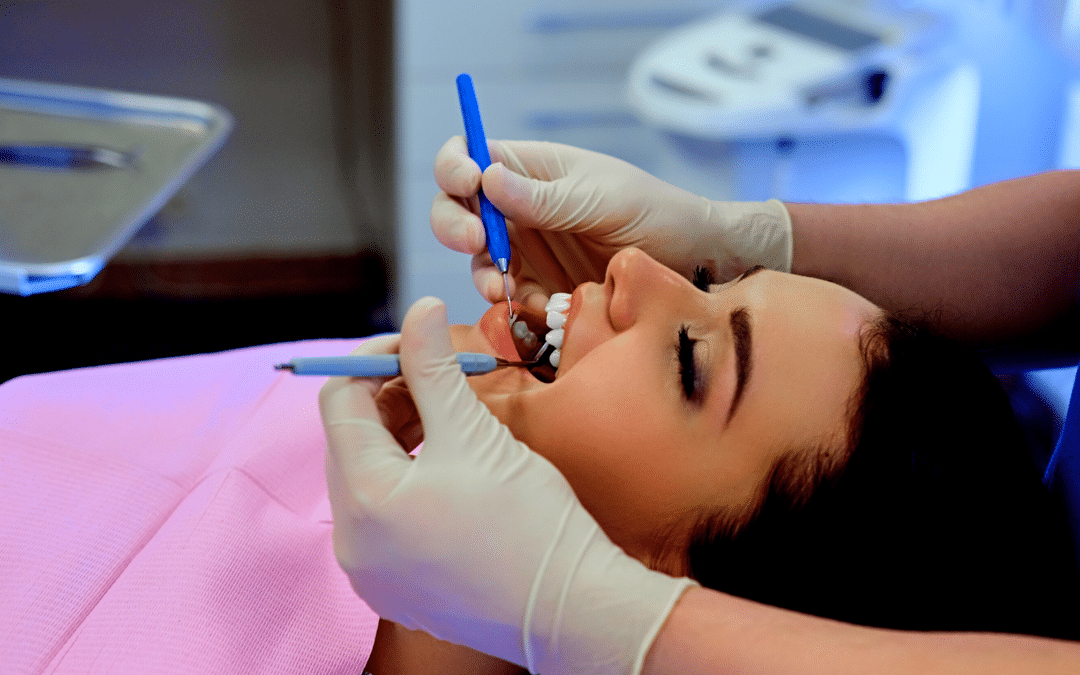
Sedation dentistry is a safe and effective way to provide patients who have suffered from acute dental pain with an alternative to the sometimes dramatic approaches of traditional dentistry.
What is sedation dentistry?
Sedation dentistry is the use of a drug to make the patient feel sleepy during their dental procedure. This allows them to have a more relaxed experience and be more receptive to dental care. Sedation dentistry is an option for patients who are not able to participate in sedation or local anesthesia because of fear, anxiety, or pain.
Why use sedation dentistry?
Sedation dentistry uses a drug to make patients sleepy during their dental procedure. This allows them to have a more relaxed experience and be more receptive to dental care. Sedation dentistry is an option for patients who cannot participate in sedation or local anesthesia because of fear, anxiety, or pain. Sedation dentistry can help you get through your dental appointment without feeling anxious or afraid about the procedure. It also lets you relax, making it easier for us to perform all the techniques we need to do for you to get the best possible care from your dentist.
How can sedation dentistry help you?
Sedation dentistry can help you get relief from your dental pain. It is often used when your dentist needs to perform a root canal, extract a tooth, or do other procedures that require more time and attention than usual. Some people have dental pain that is so severe that they cannot tolerate even the most gentle oral care. This may be because of pain from an acute infection or inflammation caused by gum disease or other problems. In these cases, sedation dentistry may be the only option for relief. Sedation dentistry can also be helpful for those who have difficulty speaking or swallowing due to a stroke or head injury. This treatment helps to relax their muscles so that the doctor can examine and remove calculus (tartar) from the teeth, gums, and surrounding areas.
Is sedation dentistry right for me?
Sedation dentistry is a form of dental care that involves using medications, such as nitrous oxide or ketamine, to diminish anxiety, pain, and discomfort during dental procedures. Sedation dentists can offer you several benefits. They can provide you with more comfort while they work on your teeth, reduce the amount of anesthetic you require during root canal treatment, and help you feel more relaxed than if you were going through the procedure without sedation. However, consider some things before considering sedation dentistry for yourself or a loved one.
What are the costs involved?
The cost of dental sedation can vary depending on the type of procedure and the dental office. The initial consultation, required before any treatment is done, may cost more than other visits because it involves a comprehensive exam and evaluation. Suppose you’re considering sedation dentistry for your child. In that case, this may be an essential factor in whether or not you choose to go through with the treatment.
Keep reading! Sedation dentistry is a prevalent option for patients who are nervous about dental visits or don’t like having their teeth worked on. This type of dental treatment can help you get more comfortable with your dentist, make you more relaxed, and help you enjoy your visits more. It’s important to know that sedation dentistry isn’t a one-size-fits-all approach to dental care. There are many different types of sedation dentistry treatments available, which can vary by how much medication is used and how long it lasts. If you’re interested in sedation dentistry, talk with your dentist about what they offer and what options may work best for you.
If you’re thinking of getting a sedative to reduce the stress of dental work, there are many things you should know first. We found an article that would help others learn more about sedation dentistry and how it can be used for pain control. Here are some great tips on how to treat dental anxiety with sedation.