
When a molar goes missing, it can impact far more than your ability to chew. These back teeth play a crucial role in grinding food, supporting jaw alignment, and maintaining facial structure. In this city, patients often ask whether dental implant treatment can fully replace a lost molar. The answer is yes in most cases; implants offer a stable, long-lasting replacement that functions like a natural tooth. However, there are important considerations before moving forward, including gum health, bone density, and overall oral condition.
Can You Replace Molars with Implants?
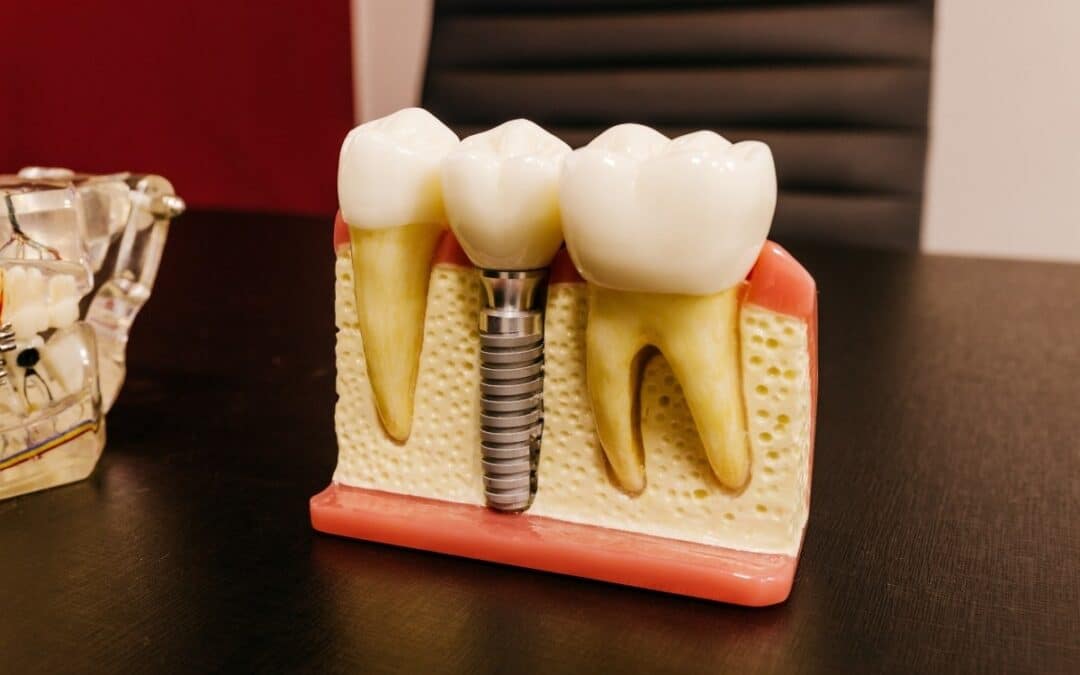
Yes, you can. Dental implants are one of the most reliable options for replacing missing molars. Unlike dental bridges or partial dentures, implants integrate directly into the jawbone, providing stability and strength similar to a natural tooth root.
Why Implants Work Well for Molars?
- They restore full chewing ability, which is vital for grinding tougher foods.
- They prevent bone loss in the jaw, which can occur after tooth loss.
- They maintain spacing and alignment of neighboring teeth.
- They are durable and can last decades with proper care.
In a city like this, where many residents enjoy an active lifestyle and hearty local cuisine, having strong molars is essential for health and comfort.
Who Cannot Get Teeth Implants?
While dental implants are highly successful for most patients, there are situations where they may not be recommended.
Poor Gum Health and Advanced Periodontal Disease
If your gums aren’t in good shape, putting in an implant could be a bit risky. Gum problems can lead to infections around the implant area, which might cause the implant to fail. Taking good care of your gums can really make a difference for a successful implant.
Other Factors That May Disqualify a Patient:
Insufficient Bone Density – The jaw must have enough bone to support the implant post.
Uncontrolled Diabetes – Slows healing and increases infection risk.
Smoking Habit – Reduces blood flow to the gums, affecting recovery.
Weakened Immune System – Makes healing and integration more difficult.
Chronic Teeth Grinding (Bruxism) – Can put excessive stress on the implant.
Patients with these conditions should work closely with their dentist to explore treatment plans that may improve eligibility.
Benefits of Replacing Molars with Implants
Improved Chewing Power – Eat meats, vegetables, and crunchy snacks comfortably.
Natural Appearance – Custom crowns blend with surrounding teeth.
Jawbone Preservation – Prevents shrinkage and facial sagging.
Long-Term Value – Implants can last decades with proper care.
No Impact on Nearby Teeth – Unlike bridges, healthy teeth remain untouched.
Is the Process Different for Molars Compared to Front Teeth?
Replacing molars requires a slightly different approach than replacing visible front teeth. Molars have multiple roots, bear higher chewing forces, and often require wider implant posts. Your provider will evaluate jaw anatomy through X-rays or 3D scans before determining the right size and placement.
What to Expect at a Local Dental Office?
Whether you visit a Lubbock dental office while traveling, the implant process usually involves:
Consultation & Exam – Evaluating bone structure and gum health.
Implant Placement – Inserting the titanium post into the jawbone.
Healing & Osseointegration – Allowing bone to fuse with the implant.
Crown Attachment – Securing a custom-made crown to restore function.
Restore Your Smile with Dental Group of Lubbock
If you’re missing a molar, a dental implant could restore strength, stability, and confidence to your smile. The best way to know is by scheduling a professional consultation to assess your unique needs.
At Dental Group of Lubbock, our team combines expertise with advanced technology to deliver lasting results. Whether you’re missing one molar or several teeth, we’ll guide you through every step of the dental implant treatment process. Contact us today to book an appointment with our dentist in Lubbock, TX. Take the first step toward a stronger, healthier bite.