
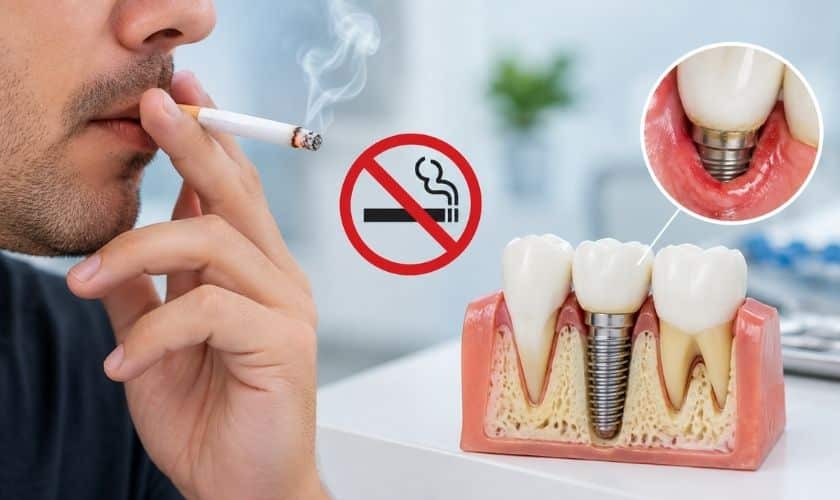
Dental implants are a popular solution for replacing missing teeth because they look natural, provide stability, and support everyday activities such as eating and speaking. However, maintaining healthy implants requires proper oral hygiene and lifestyle choices. Smoking is one habit that can interfere with healing, increase the risk of complications, and affect the long-term success of dental implants.
For patients considering or already living with dental implants in Lubbock, understanding how smoking affects oral health is essential. Whether you smoke cigarettes regularly or occasionally, knowing the risks can help you make informed decisions about protecting your smile.
How Does Smoking Affect Dental Implants?
Dental implants are small posts, usually made of titanium, that are placed into the jawbone to replace missing tooth roots. Over time, the bone gradually bonds with the implant through a natural process called osseointegration. This connection provides the stability needed to support a replacement tooth.
Smoking can interfere with this process in several ways. Nicotine constricts blood vessels, reducing blood flow to the gums and other oral tissues. Tobacco smoke also exposes the body to harmful chemicals that can affect the immune response and tissue healing.
As a result, smokers may experience slower recovery after implant surgery and face a higher risk of implant failure. Although smoking does not automatically mean an implant will fail, it can make successful healing more challenging.
5 Ways Smoking Puts Dental Implants at Risk
1. Delayed Healing After Implant Surgery
After implant placement, the gums and surrounding tissues need time to recover. Adequate blood circulation helps deliver oxygen and nutrients that support healing.
Smoking reduces blood flow and can interfere with the body’s natural repair process. This may prolong recovery, increase the likelihood of postoperative complications, and make it harder for the implant site to heal properly.
2. Increased Risk of Implant Failure
A dental implant needs to integrate securely with the jawbone before it can function like a natural tooth root. Smoking can interfere with bone healing and the integration process.
If the implant does not bond properly with the surrounding bone, it may become loose or fail. Smokers generally have a higher risk of implant failure than nonsmokers, although individual outcomes depend on several factors, including overall health, smoking frequency, and oral hygiene.
3. Higher Risk of Gum Disease Around Implants
Smoking increases the risk of gum inflammation and periodontal disease. It can also mask some warning signs, such as bleeding gums, because reduced blood flow may make bleeding less noticeable.
Around dental implants, inflammation can develop into a condition called peri-implantitis. This condition affects the tissues surrounding the implant and may cause bone loss if left untreated. Advanced peri-implantitis can eventually threaten the stability of the implant.
4. Greater Risk of Bone Loss
Healthy jawbone tissue is essential for keeping dental implants stable. Smoking can negatively affect bone metabolism and the body’s ability to maintain healthy oral tissues.
When inflammation develops around an implant, supporting bone may gradually deteriorate. Bone loss can weaken the implant’s foundation, making long-term maintenance more difficult and potentially requiring additional treatment.
5. Staining and Persistent Bad Breath
Smoking can leave stains on natural teeth, crowns, and other dental restorations. Tobacco use also contributes to persistent bad breath and can affect the overall appearance of your smile.
Although stains and odour do not necessarily indicate implant failure, they can be signs that your oral hygiene needs attention. Regular professional cleanings and consistent home care are important for maintaining the appearance and health of your mouth.
Can Smokers Still Get Dental Implants?
Yes, smokers may still be candidates for dental implants. However, eligibility depends on individual oral health, bone quality, medical history, and smoking habits. A dental professional will evaluate these factors before recommending treatment.
Quitting smoking before implant surgery and remaining smoke-free during healing can improve the conditions needed for recovery. The longer you avoid tobacco, the more you can reduce its ongoing effects on oral health. Your dentist can recommend an appropriate timeline for stopping smoking before and after surgery.
If quitting completely is difficult, reducing tobacco use and discussing cessation support with a healthcare professional can be useful first steps. It is important to be honest about your smoking habits so your dental team can plan treatment appropriately.
Tips for Protecting Your Dental Implants
Whether you are preparing for implant surgery or already have implants, healthy daily habits can help protect your investment.
- Avoid smoking: Quitting tobacco is one of the most beneficial steps you can take to support healing and long-term implant health.
- Brush twice daily: Use a soft-bristled toothbrush and fluoride toothpaste to keep your teeth, gums, and implant restorations clean.
- Clean between your teeth: Use suitable interdental brushes or floss to remove plaque from areas your toothbrush cannot reach.
- Attend regular dental checkups: Professional examinations help identify inflammation, bone loss, and other problems before they become severe.
- Follow postoperative instructions: After implant surgery, follow your dentist’s guidance regarding oral hygiene, diet, medications, and physical activity.
- Maintain a healthy lifestyle: A balanced diet and proper management of health conditions can support healing and overall oral health.
Patients seeking Dental Implants treatment should understand that successful results depend on more than the surgical procedure. Consistent care and healthy lifestyle choices are equally important.
Protect Your Smile With the Right Dental Care
Dental implants can provide a reliable, long-lasting replacement for missing teeth, but smoking increases the risk of complications during healing and throughout the life of an implant. Taking steps to quit smoking, practising good oral hygiene, and attending regular dental visits can help improve your chances of maintaining a healthy smile.
The team at Dental Group of Lubbock can assess your oral health, discuss the potential risks associated with smoking, and help you understand your implant options. If you have concerns about your existing implants or are considering tooth replacement, Contact Us to discuss your needs. You can also visit our dental office for an evaluation and personalised recommendations.
Making informed choices today can help protect your dental implants and support your oral health for years to come.
Frequently Asked Questions
1. Can smoking cause dental implants to fail?
Yes, smoking increases the risk of dental implant failure by reducing blood flow, slowing healing, and interfering with the process that allows the implant to bond securely with the jawbone.
2. How long should I stop smoking before dental implant surgery?
Your dentist may recommend stopping smoking several weeks before surgery, depending on your health and treatment plan. Longer periods without smoking can be beneficial, and quitting permanently offers the greatest overall health benefits.
3. Can I smoke after getting dental implants?
Smoking after implant surgery is strongly discouraged because it can impair healing and increase the risk of infection and implant failure. Follow your dentist’s instructions about how long to avoid tobacco.
4. Does vaping affect dental implants?
Vaping may also pose risks because many products contain nicotine, which can reduce blood flow. Research is still developing, but avoiding vaping during implant healing is a prudent way to support recovery.
5. Can dental implants last if I continue smoking?
Dental implants can last for years in some smokers, but continued smoking increases the risk of complications, gum disease, and bone loss. Long-term success depends on several health and lifestyle factors.
6. What are the signs of dental implant problems in smokers?
Warning signs may include swelling, pus, persistent discomfort, gum recession, or a loose implant. Smoking can mask bleeding, so the absence of bleeding does not necessarily mean the surrounding tissues are healthy.
7. How can smokers improve their chances of successful dental implants?
Quitting smoking, maintaining excellent oral hygiene, managing existing health conditions, and attending regular dental checkups can improve the conditions needed for successful healing and long-term implant stability.