
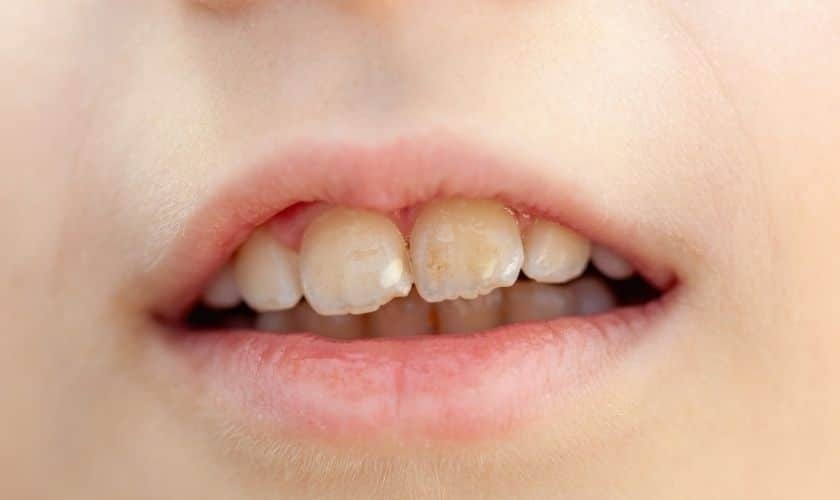
White spots on teeth are a common dental concern that can affect both children and adults. While they may seem like a cosmetic issue at first, these spots can sometimes signal an underlying dental problem, including early enamel damage. Understanding what causes white spots and when to seek professional care can help you protect your smile and prevent more serious issues in the future.
If you’ve noticed white patches on your teeth, it’s important to know that not every case indicates enamel loss. However, because the enamel cannot regenerate once it is significantly damaged, early evaluation is always recommended.
What Are White Spots on Teeth?
White spots are chalky or opaque areas that appear brighter than the surrounding tooth surface. They can vary in size and location and may develop on one tooth or several teeth. These spots occur when the minerals in the enamel become imbalanced or when the enamel forms differently during tooth development.
Although they are often harmless in the beginning, some white spots may be an early warning sign of enamel demineralization, which is the first stage of tooth decay.
Do White Spots Always Mean Enamel Loss?
The simple answer is no. White spots do not always indicate permanent enamel loss, but they often suggest that the enamel has weakened or lost minerals.
Several conditions can cause white spots, including:
- Early enamel demineralization
- Fluorosis caused by excessive fluoride during tooth development
- Plaque buildup around braces
- Poor oral hygiene
- Dry mouth
- Dietary acid exposure
- Enamel hypoplasia, where enamel develops thinner than normal
A professional dental examination can determine the exact cause and recommend the most appropriate treatment.
Signs That White Spots May Be Related to Enamel Damage
White spots associated with enamel loss often have specific characteristics. You may notice:
- Chalky or rough tooth surfaces
- Increased tooth sensitivity
- Spots near the gumline
- Areas that become darker over time
- Early cavities developing in the same location
These signs suggest that minerals have been lost from the enamel and should be addressed before decay progresses.
Can Enamel Be Restored?
While lost enamel cannot grow back, early enamel demineralization can often be reversed through remineralization. This process strengthens weakened enamel before permanent damage occurs.
Dentists may recommend:
- Professional fluoride treatments
- Calcium and phosphate-based remineralizing products
- Improved brushing and flossing habits
- Reducing sugary and acidic foods
- Regular dental cleanings and examinations
Early intervention offers the best chance of stopping further enamel damage.
Treatment Options for White Spots
The right treatment depends on the underlying cause and severity of the white spots.
Fluoride Therapy
Professional fluoride applications strengthen enamel and help restore minerals to weakened areas.
Remineralization Treatments
Specialized dental products containing calcium and phosphate can improve early enamel lesions and reduce the appearance of white spots.
Microabrasion
For superficial discoloration, dentists may gently remove a very thin layer of enamel to improve the tooth’s appearance.
Resin Infiltration
This minimally invasive procedure fills porous enamel with a special resin, blending white spots with the surrounding tooth structure.
Cosmetic Treatments
If white spots remain visible after enamel has stabilized, treatments such as professional teeth whitening or dental veneers may improve the overall appearance of your smile.
How to Prevent White Spots on Teeth
Good preventive habits significantly reduce the risk of developing white spots and enamel damage.
Follow these tips:
- Brush twice daily with fluoride toothpaste.
- Floss every day.
- Limit sugary snacks and acidic beverages.
- Drink plenty of water throughout the day.
- Visit your dentist regularly for professional cleanings.
- Wear orthodontic appliances as instructed and keep them clean.
- Address dry mouth if it becomes a persistent problem.
Consistent preventive care keeps enamel stronger and reduces the likelihood of future dental complications.
When Should You Visit a Dentist?
If white spots suddenly appear, become larger, or are accompanied by tooth sensitivity or discomfort, schedule a dental evaluation promptly. Early diagnosis helps identify whether the spots are related to enamel demineralization, fluorosis, or another condition.
At Dental Group of Lubbock, patients receive personalized evaluations to identify the cause of white spots and recommend treatments that protect both oral health and smile aesthetics.
If you’re concerned about changes in your teeth, call +18068553942 to schedule an examination. Our experienced team is committed to helping patients maintain healthy smiles through preventive and restorative dental care.
Conclusion
White spots on teeth do not always indicate permanent enamel loss, but they should never be ignored. In many cases, they are an early sign that enamel is losing essential minerals and needs professional attention before cavities develop. The good news is that many early cases can be managed successfully with timely treatment and proper oral hygiene.
If you’ve noticed white spots or other changes in your smile, visiting a trusted dental office in Lubbock can help determine the cause and protect your long-term oral health. Don’t wait until minor concerns become major problems – contact us to schedule your dental evaluation.
Frequently Asked Questions
1. Are white spots on teeth permanent?
Not always. White spots caused by early mineral loss may improve with remineralization treatments, while spots from fluorosis or enamel defects may require cosmetic dental procedures.
2. Can brushing remove white spots?
Brushing alone cannot remove existing white spots, but proper oral hygiene helps prevent additional mineral loss and reduces the risk of new spots forming.
3. Do white spots always become cavities?
No. White spots are often the earliest stage of enamel weakening. With prompt treatment and improved oral care, progression to cavities can often be prevented.
4. Are white spots caused by too much fluoride?
Yes. Excessive fluoride exposure during tooth development can lead to dental fluorosis, which commonly appears as white streaks or spots on the enamel.
5. Can teeth whitening remove white spots?
Not usually. Whitening may temporarily make white spots more noticeable. A dentist can recommend treatments that address both color and enamel appearance.
6. Is enamel loss reversible?
Severely damaged enamel cannot regenerate. However, early demineralization can often be reversed through remineralization and preventive dental treatments.
7. How can I prevent white spots from developing?
Maintaining good oral hygiene, limiting sugary and acidic foods, using fluoride toothpaste, and attending regular dental checkups help reduce the risk of white spots.