
Are you among those who think of dental checkups as just a way to keep their teeth clean and cavity-free? Your dentist can actually spot early warning signs that could indicate severe oral health concerns. In many cases, subtle changes can signal serious complications, which may risk your teeth and impact your dental well-being.
This blog explores some early signs of oral disease that only a practitioner can identify. Keep reading to understand these issues and receive appropriate dental care.
What Happens During a Dental Examination?
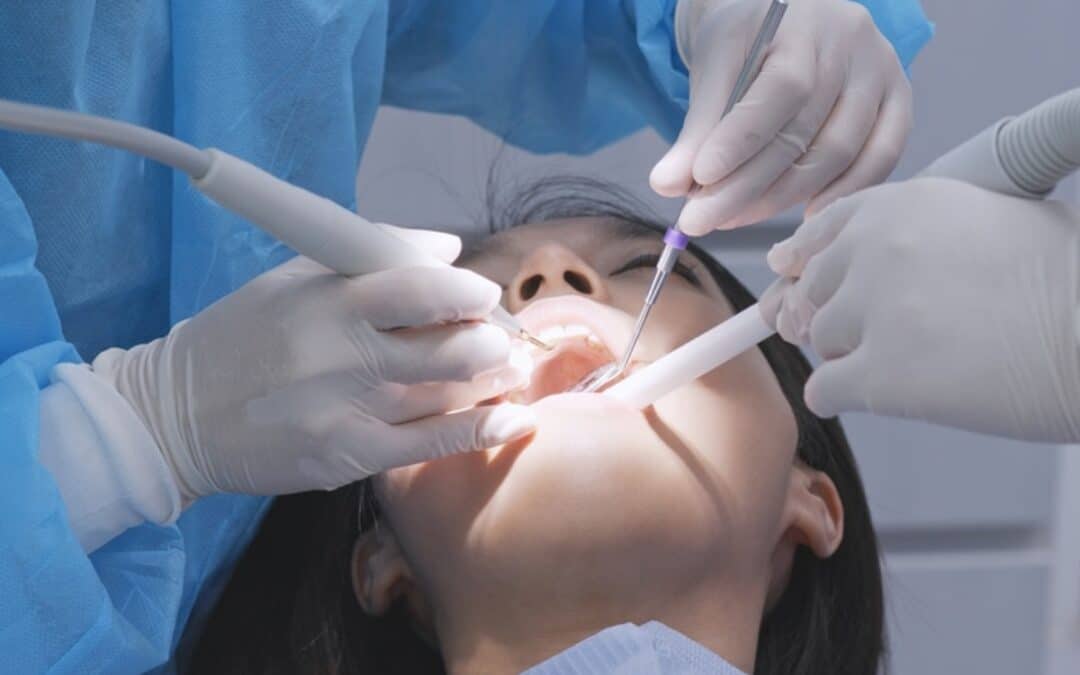
When a dental professional examines your mouth, they evaluate many things besides your teeth. They assess your gums, lips, cheeks, jaw, tongue, and the roof and floor of the mouth. These areas can reveal early signs of infection, nutritional deficiencies, or even systemic issues like diabetes or autoimmune conditions. The earlier these signs are detected, the better the chances of preventing long-term damage or complications.
Signs That Indicate Oral Disease
You may miss some of the earliest signs of disease in the mouth without the help of a dentist in Lubbock. These include:
- Bleeding or swollen gums
- Persistent bad breath
- Loose teeth or receding gums
- Sores that do not heal
- Changes in the color or texture of the tissues inside the mouth
When these symptoms are present, it’s time to schedule a consultation for a dental exam.
Conditions Often Diagnosed and Treated by a Dentist
Several health issues can indicate an underlying oral disease.
Gum Disease
This common condition is caused by bacterial buildup and poor oral hygiene. It can also be worsened by other health factors, such as diabetes or a weakened immune system. Gum disease can progress silently and may cause permanent tooth loss if left untreated.
Oral Cancer
Unexplained lumps, red or white patches, and persistent sores can sometimes be the first signs of cancer in the mouth or throat. Early detection significantly improves outcomes, making routine screenings more crucial.
Diabetes
Dry mouth, frequent infections, and slow-healing sores are all potential indications of diabetes. High blood sugar affects the body’s ability to fight off infections, which can lead to worsening gum problems.
Osteoporosis
Bone loss in the jaw is not something most people notice. However, your Lubbock dentist may detect the symptoms of osteoporosis during dental X-rays. If bone density is low, it may cause a skeletal issue that requires more complex dental procedures.
Sleep Apnea
Clenching, worn teeth, or a dry throat may suggest issues with breathing during sleep. This is often overlooked but can impact cardiovascular health if not managed.
Treatments to Protect Oral Health
Dental professionals are often the first to notice these warning signs. Through regular exams, they can track changes over time and recommend further evaluation if needed. Treatment options vary depending on the condition but may include deep cleanings, infection control, biopsy, or sleep studies.
For gum disease, treatments like scaling and root planning can help control the infection. Suspicious lesions may require a biopsy to rule out cancer. If diabetes is suspected, get advice on the necessary treatment approach from your dental practitioner.
Visit Our Dental Office for Early Detection
Catching problems early can prevent minor dental concerns from becoming serious consequences later on. Untreated oral issues can lead to pain, tooth loss, and even complications elsewhere in the body. This is why keeping up with dental appointments is so important, even if you feel nothing is wrong with your teeth and gums.
The mouth is a vital part of your health, and small changes can offer significant clues through a dental examination. To protect your smile and catch early signs of oral disease, schedule your visit to our dental office in Lubbock.