
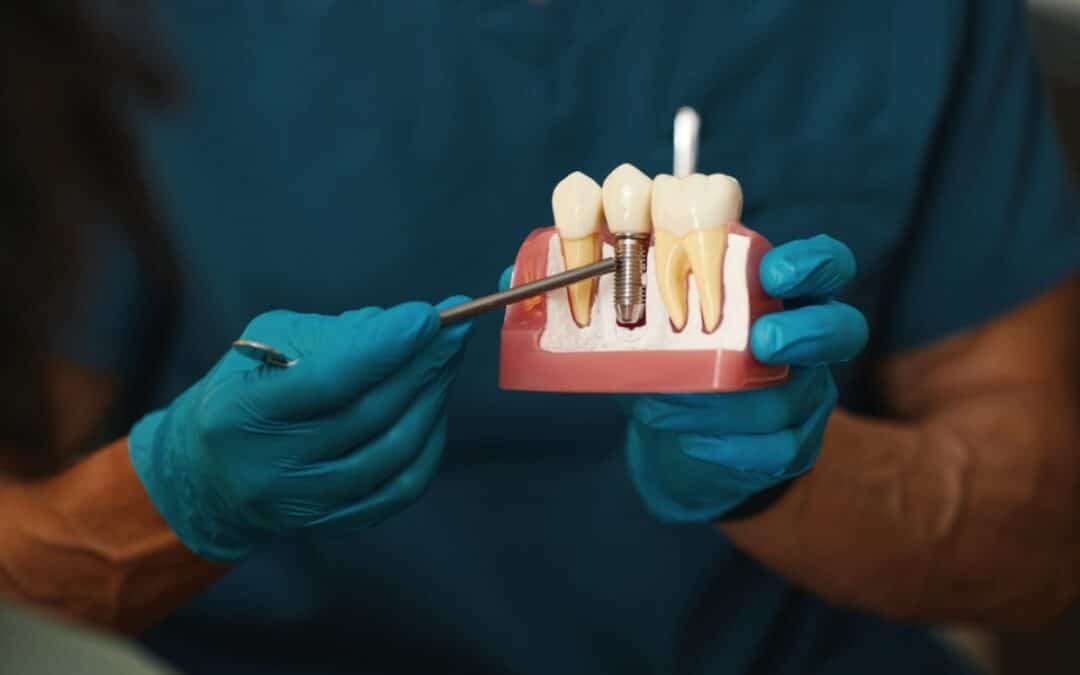
You may have lost teeth due to injury, decay, or other dental conditions. This can happen at any stage when you wonder how to reclaim your complete smile. Dental implants are one of the most reliable methods for replacing missing teeth. They offer improved functionality, aesthetics, and confidence compared to traditional tooth replacement procedures.
Various factors, including the patient’s age, jawbone development, and general health, contribute to the overall success of dental prosthetics.
Why Dental Implants are Preferred for Smile Restoration?
Implants consist of titanium posts that fuse with your jawbone and provide a stable foundation for artificial teeth. You can undergo this surgery to support crowns, bridges, or dentures adequately. With age, bone health often deteriorates, making it difficult for the dentist to place artificial tooth roots in the jawbone. Additional procedures, like bone grafting, add volume to the affected area and create favorable conditions for implant success.
Key Considerations for Dental Implants
2.2% of adults aged 20-64 have no teeth, which are mostly older adults, smokers, and those with lower income or education. Let’s discuss the factors essential for placing dental prosthetics, which are strictly observed by an implant dentist in Lubbock.
Jawbone Development:
How your jawbone develops plays a significant role in determining the right time or age for artificial teeth. The jaw grows in younger individuals, and placing an implant too early may lead to oral health complications. Typically, dentists recommend waiting until the jawbone has fully matured, usually in the late teens or early twenties.
General Health:
Diabetes or osteoporosis might often impact the success and healing of dental prosthetics. For a speedy recovery and long-term success, you should manage your oral diseases and maintain good general health.
Oral Health Status:
Adequate jawbone density and healthy gums are necessary for the successful placement of an implant. Otherwise, significant bone loss or gum disease can result in failure of the surgery, regardless of your age. Visit your dentist to recommend further procedures like bone grafting or periodontal maintenance before tooth replacement.
Age and Candidacy for Implant Surgery
Young Adults (Late teens to Early 30s)
In general, this age group makes a great candidate for artificial teeth. They usually maintain good health and have a completely developed jawbone. Besides, artificial tooth roots can greatly improve the appearance of a smile in young adults who have lost teeth to oral disease or trauma.
Adults in Their Middle Years (40s to 60s):
Many people in this category look for dental prosthetics to replace teeth that have been lost due to accidents, gum disease, or aging. To choose the appropriate course of action for tooth replacement at this point, they rely on a complete evaluation of general health and bone density.
Senior Patients (Age 65+):
Older individuals can also benefit from implant surgery, provided they have adequate bone density and good oral hygiene. Dental prosthetics provide a more durable and stable alternative to standard dentures, helping you regain comfort and chew better. However, you need a proper evaluation of any pre-existing dental condition before getting replacement teeth from an implant dentist in Lubbock.
People of all ages can benefit from dental implants as long as they fulfill the required bone and health standards. Younger individuals who have strong bone structure can easily receive aritificial roots for replacing missing teeth. However, dental prosthesis can make a huge difference in the lives of middle-aged and older population.
Consulting with our dentist is the best approach to find out the optimal age or whether you qualify for prosthetic teeth. At Dental Group of Lubbock, we conduct individual assessments to determine eligibility for implants. Since each case is different, we provide a customized strategy to offer a dependable and safe tooth replacement procedure.