
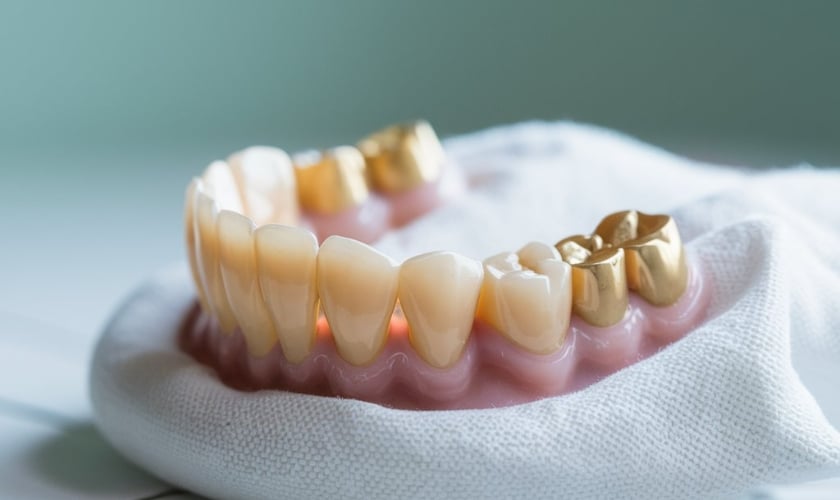
Dental crowns are a significant investment in your oral health, offering both aesthetic and functional benefits. Proper care for dental crowns ensures their longevity and maintains the health of your underlying teeth and gums. In this guide, we provide detailed advice on how to care for your dental crowns in Lubbock, TX, ensuring you enjoy a healthy, confident smile for years to come.
Understanding Dental Crowns
Dental crowns, also known as caps, are custom-made restorations that cover a tooth to restore its shape, size, strength, and appearance. They are commonly used to protect weak teeth, restore broken teeth, cover dental implants, and improve the look of discolored or misshapen teeth.
Daily Oral Hygiene Practices
Brushing and Flossing
Maintaining a rigorous daily oral hygiene routine is essential for the care of your dental crowns. We recommend the following practices:
- Brush Twice Daily: Use a soft-bristled toothbrush and fluoride toothpaste. Brush gently around the crown to prevent gum irritation and ensure thorough cleaning.
- Floss Daily: Use floss or interdental brushes to clean between your teeth and around the crown. This helps remove plaque and food particles that can lead to gum disease and decay.
Mouthwash Use
Incorporate an antibacterial mouthwash into your daily routine to reduce oral bacteria and plaque. Choose a mouthwash that is alcohol-free to avoid drying out your mouth.
Regular Dental Check-Ups
Professional Cleanings
Regular dental check-ups and professional cleanings are crucial for maintaining the health of your dental crowns and natural teeth. We recommend visiting your dentist at least twice a year for cleanings and examinations.
Monitoring Crown Condition
During your visits, your dentist will check the condition of your crowns and ensure they are functioning correctly. They will look for signs of wear, damage, or decay and provide necessary treatments to address any issues promptly.
Diet and Lifestyle Considerations
Foods to Avoid

Certain foods can damage your dental crowns. Avoid hard foods such as nuts and ice, sticky foods like caramel and chewing gum, and overly crunchy snacks that can cause the crown to crack or dislodge.
Maintaining a Balanced Diet
A balanced diet supports overall oral health. Incorporate plenty of fruits, vegetables, lean proteins, and dairy products to provide the nutrients your teeth and gums need. Limit sugary and acidic foods that can erode enamel and lead to decay.
Handling Common Issues
Sensitivity and Discomfort
It’s common to experience some sensitivity or discomfort after getting a dental crown. This usually subsides within a few days. If sensitivity persists, use toothpaste designed for sensitive teeth and avoid extremely hot or cold foods and drinks.
Loose or Damaged Crowns
If your crown feels loose or gets damaged, contact your dentist immediately. Avoid using the affected tooth until you can see your dentist to prevent further damage or discomfort.
Long-Term Crown Maintenance
Avoiding Bruxism
Bruxism, or teeth grinding, can damage dental crowns. If you grind your teeth, especially at night, talk to your dentist about getting a custom-made mouthguard to protect your crowns and natural teeth.
Using Protective Gear
If you participate in contact sports or activities with a risk of dental injury, use a mouthguard to protect your crowns and teeth from impact damage.
Caring for your dental crowns involves consistent daily hygiene, regular dental visits, mindful eating habits, and addressing any issues promptly. By following these comprehensive care tips, you can ensure the longevity and functionality of your dental crowns, contributing to a healthy and radiant smile in Lubbock, TX.