
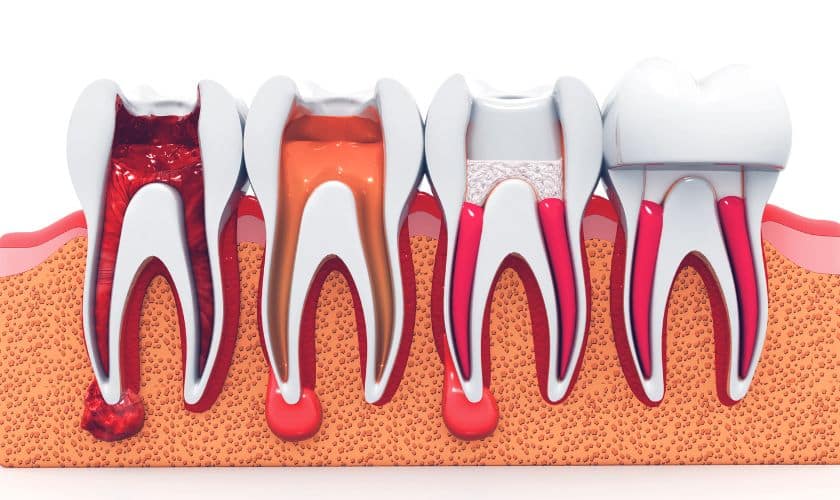
Undergoing a root canal is a common dental procedure aimed at saving a severely damaged or infected tooth. While the root canal itself addresses the issue within the tooth, post-treatment care is crucial to ensure a successful and infection-free recovery. In this article, we explore effective post-root canal care practices to minimize the risk of infections and promote optimal healing.
Understanding Post-Root Canal Dynamics:
Immediate Aftercare:
After a root canal, it’s essential to follow the dentist’s instructions for immediate aftercare. This may include avoiding eating or drinking until the anesthesia wears off and being cautious with the treated tooth.
Managing Discomfort:
Some discomfort and mild swelling are normal after a root canal. Over-the-counter pain relievers, as recommended by your dentist, can help manage any post-procedural discomfort.
Maintaining Oral Hygiene:
Gentle Brushing and Flossing:
While the treated tooth heals, practice gentle brushing and flossing. Use a soft-bristled toothbrush to avoid irritation, and be cautious around the treated area. Maintaining good oral hygiene is crucial for preventing infections.
Antibacterial Mouthwash:
Rinse with an antibacterial or prescribed mouthwash as directed by your dentist. This helps eliminate bacteria in the oral cavity, reducing the risk of infection.
Dietary Considerations:
Soft Diet:
Opt for a soft diet in the initial days following a root canal. Avoid crunchy, hard, or sticky foods that could potentially disrupt the healing process or cause irritation to the treated tooth.
Hydration:
Staying hydrated supports overall healing. Drink plenty of water and avoid excessive consumption of sugary or acidic beverages that could compromise oral health.
Monitoring Signs of Infection:
Regular Check-ups:
Attend follow-up appointments with your dentist as scheduled. These appointments allow the dentist to monitor the healing process, address any concerns promptly, and provide additional guidance on post-root canal care.
Watch for Warning Signs:
Be vigilant for signs of infection, including increased pain, swelling, or the development of an abscess. If you notice any concerning symptoms, contact your dentist promptly for further evaluation.
Long-Term Oral Health:
Consistent Dental Check-ups:
Beyond immediate post-root canal care, maintain regular dental check-ups. Routine examinations and cleanings help prevent future dental issues and ensure the ongoing health of treated teeth.
Protective Measures:
If your root canal involved a back tooth, your dentist may recommend a dental crown to provide additional protection. Crowns strengthen the tooth, reducing the risk of fractures and reinfection.
Conclusion:
Post-root canal care plays a pivotal role in reducing the risk of infections and supporting the long-term success of the procedure. By following these guidelines, patients can navigate the recovery period with confidence, knowing they are actively contributing to the health and longevity of their treated tooth. If you have any concerns or questions about post-root canal care, don’t hesitate to reach out to your dental care provider for personalized guidance and reassurance.