
Dental veneers are thin, custom-made shells designed to cover the front surface of your teeth. They’re crafted to enhance the appearance of your smile, addressing issues like discoloration, gaps, or minor misalignments. Whether you’re considering veneers for aesthetic purposes or to correct specific dental concerns, understanding what they are and how they work is crucial for achieving the best results.
Types of Veneers
There are two primary types of veneers: porcelain and composite. Porcelain veneers are durable and resistant to staining, offering a natural look that closely mimics your natural teeth. Composite veneers, on the other hand, are made from a resin material and can be applied in a single visit. Each type has its benefits, so discussing your options with a skilled dentist is key.
Preparing for Veneer Treatment
Finding the Right Dentist
To get the most out of your veneer treatment, it’s essential to find a qualified dentist. Consider searching for a “dentist near me” to find professionals in your area who specialize in cosmetic procedures. A local dentist can offer personalized care and follow-up, making the entire process smoother and more convenient.
Initial Consultation and Assessment
Your first visit will involve a comprehensive assessment of your oral health. During this consultation, your dentist will discuss your goals, evaluate your teeth, and determine the best type of veneers for your needs. This step is crucial for ensuring that your veneers are a good fit for your smile.
Understanding the Procedure
It’s helpful to have a clear understanding of what to expect during the veneer application process. Your dentist will prepare your teeth by removing a small amount of enamel to make room for the veneers. Then, impressions will be taken to create your custom veneers, which are usually bonded to your teeth in a subsequent visit.
Choosing the Right Veneers
Porcelain vs. Composite Veneers
When choosing veneers, consider whether porcelain or composite materials best meet your needs. Porcelain veneers are generally more durable and stain-resistant, making them a popular choice for long-lasting results. Composite veneers are less expensive and can be applied more quickly, but they may not last as long.
Matching Veneers with Your Natural Teeth
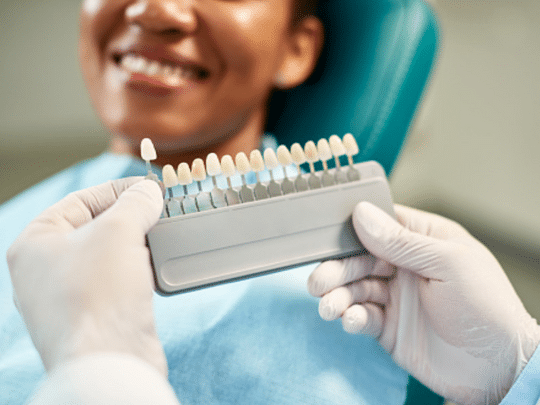
Ensuring that your veneers match the color and shape of your natural teeth is essential for a seamless appearance. Your dentist will work with you to choose a shade that complements your smile and provides a natural look.
The Application Process
What to Expect During Application
The veneer application process involves bonding the veneers to your teeth using a strong adhesive. This procedure is typically completed in a few visits, including the preparation, fitting, and final placement. The process is generally comfortable, but your dentist will ensure you’re informed and at ease.
Pain Management and Anesthesia
Most patients experience minimal discomfort during the veneer procedure. However, if you’re anxious about potential pain, discuss pain management options with your dentist. Local anesthesia may be used to numb the area and ensure a comfortable experience.
Aftercare and Maintenance
Maintaining Your Veneers
Proper care is essential for prolonging the life of your veneers. Maintain good oral hygiene by brushing and flossing regularly. Regular dental checkups are also crucial for monitoring the condition of your veneers and addressing any issues promptly.
Daily Oral Hygiene Tips
Use a soft-bristled toothbrush and fluoride toothpaste to keep your veneers and natural teeth clean. Avoid abrasive toothpaste or harsh brushing techniques, as these can damage the surface of your veneers.
Regular Dental Checkups
Schedule regular visits to your dentist to ensure that your veneers are in good condition. Professional cleanings and exams can help detect and address any potential problems before they become significant issues.
Avoiding Common Mistakes
Foods and Habits to Avoid
Certain foods and habits can impact the longevity of your veneers. Avoid biting into hard objects, chewing ice, or consuming excessive amounts of staining foods and drinks. Additionally, limiting habits like nail-biting can help prevent damage to your veneers.
Enhancing Your Results
Teeth Whitening Before Application
Consider teeth whitening before getting veneers to ensure that your natural teeth are as white as possible. This can enhance the overall appearance of your smile and ensure that the veneers blend seamlessly with your teeth.
Implant Dentist Consultation
If you have missing teeth or other issues that might impact the placement of veneers, consult with an implant dentist. They can provide additional options or treatments to ensure that your veneers have a solid foundation for optimal results.
Conclusion
Achieving great results from veneers involves careful planning, choosing the right type of veneers, and adhering to proper care guidelines. By working closely with a skilled dentist and following these tips, you can enjoy a beautiful, confident smile for years to come.