
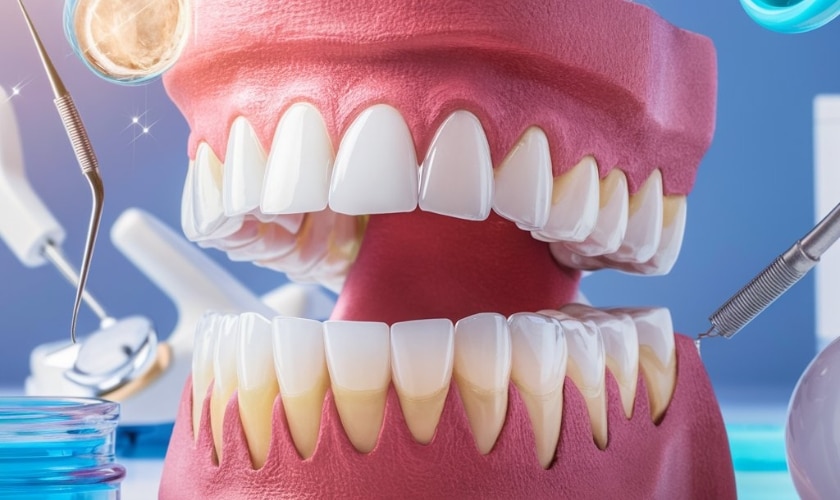
Everyone wants a bright, white smile, right? Teeth whitening has become one of the most sought-after cosmetic procedures worldwide. But is it really healthy for your teeth? Let’s dive into the world of teeth whitening and uncover the truth about its benefits, risks, and safety.
Understanding Teeth Whitening
Types of Teeth Whitening Methods
When it comes to teeth whitening, there are several methods available, each with its own pros and cons.
In-Office Professional Whitening
This method involves a visit to your dentist. It’s one of the quickest and most effective ways to whiten your teeth. The dentist applies a high-concentration peroxide gel to your teeth, sometimes using a special light to enhance the process.
At-Home Whitening Kits
These kits are available over-the-counter or through your dentist. They include whitening gels or strips with a lower concentration of peroxide. You can use these kits in the comfort of your own home, though results may take longer compared to professional treatments.
Natural Whitening Remedies
Some people swear by natural remedies like baking soda, activated charcoal, and even certain fruits. These methods are often seen as gentler alternatives, though their effectiveness can vary widely.
How Teeth Whitening Works
Teeth whitening products typically contain peroxide compounds. These compounds penetrate the enamel and break down the stains, making your teeth appear whiter. The effectiveness of the whitening process depends on the type and concentration of the peroxide used.
The Benefits of Teeth Whitening
Enhanced Appearance
A bright smile can transform your overall appearance. Whiter teeth often give the impression of good health and hygiene.
Boost in Self-Confidence
When you know your smile looks great, it can significantly boost your self-confidence. You’ll find yourself smiling more often, which can positively impact your mood and interactions with others.
Positive First Impressions
First impressions matter, and a bright smile can make a lasting one. Whether in personal or professional settings, white teeth can enhance how others perceive you.
Potential Risks of Teeth Whitening

Tooth Sensitivity
One of the most common side effects is tooth sensitivity. The peroxide in whitening products can irritate the nerves in your teeth, causing temporary discomfort.
Gum Irritation
If the whitening agent comes into contact with your gums, it can cause irritation and inflammation. This is why it’s important to follow application instructions carefully.
Enamel Damage
Overuse of whitening products can lead to enamel erosion. This can make your teeth more susceptible to decay and sensitivity.
Is Teeth Whitening Safe?

Professional vs. DIY Methods
Professional whitening done by a dentist is generally considered safe when done correctly. DIY methods, while convenient and often cheaper, carry a higher risk of improper use, which can lead to the aforementioned issues.
Recommended Frequency of Treatments
Experts recommend spacing out whitening treatments. Overuse can harm your teeth and gums. Generally, professional treatments should be done once a year, while at-home treatments should be used according to the product guidelines.
Considerations for Individuals with Dental Conditions
If you have existing dental conditions such as cavities, gum disease, or sensitive teeth, consult your dentist before starting any whitening treatment. They can advise on the safest options for your situation.
Common Ingredients in Whitening Products
Hydrogen Peroxide
This is the most common ingredient in whitening products. It’s effective but can cause sensitivity if used excessively.
Carbamide Peroxide
This compound breaks down into hydrogen peroxide and urea. It’s a slower-acting agent, often found in at-home kits, and is typically less harsh on the teeth.
Natural Alternatives
Ingredients like baking soda, coconut oil, and activated charcoal are popular natural alternatives. They are less likely to cause sensitivity but may not be as effective.
Professional Teeth Whitening
What to Expect During the Procedure
During a professional whitening session, your dentist will protect your gums and apply a high-concentration whitening gel. They may use a special light to speed up the process. The entire procedure usually takes about an hour.
Advantages of Professional Whitening
The biggest advantage is the immediate and noticeable results. Professional treatments are also tailored to your specific dental needs, reducing the risk of side effects.
At-Home Teeth Whitening Kits
Types of At-Home Kits
These kits range from whitening strips and gels to custom-fit trays provided by your dentist. Each type varies in application method and concentration of the whitening agent.
Effectiveness of At-Home Kits
While they can be effective, results are typically slower compared to professional treatments. Consistent use over several weeks is usually required to see significant changes.
Potential Drawbacks
The main drawbacks are the potential for misuse and the lower concentration of whitening agents, which may not yield the same results as professional treatments.
Natural Teeth Whitening Remedies

Popular Natural Methods
Baking soda, hydrogen peroxide rinses, and activated charcoal are some of the popular natural methods. People also use oil pulling with coconut oil and rubbing the inside of a banana peel on their teeth.
Effectiveness and Safety of Natural Remedies
These methods can be effective to a degree but usually not as potent as commercial products. They are generally safe but should be used cautiously to avoid damage to the enamel.
Myths vs. Facts
Not all natural remedies are effective. For example, lemon juice, while natural, is highly acidic and can erode enamel, doing more harm than good.
Maintaining Whitened Teeth
Proper Oral Hygiene Practices
Brush and floss regularly, and consider using a whitening toothpaste to help maintain your results. An electric toothbrush can also be more effective at removing stains.
Foods and Drinks to Avoid
Avoid staining foods and beverages like coffee, tea, red wine, and berries. If you do consume them, rinse your mouth with water afterward.
Regular Dental Check-Ups
Regular visits to your dentist will help maintain your oral health and the longevity of your whitening results. They can also provide touch-up treatments if necessary.
The Psychological Impact of Whiter Teeth
Self-Esteem and Mental Health
Whiter teeth can significantly boost your self-esteem. Feeling confident in your smile can improve your overall mental health and reduce social anxiety.
Social and Professional Benefits
A bright smile can enhance your social interactions and professional opportunities. It can make you appear more approachable, confident, and trustworthy.
Teeth Whitening for Special Occasions
Timing Your Whitening Treatments
Plan your whitening treatments ahead of special events. Professional treatments should be done at least a week in advance to allow any sensitivity to subside.
Quick Tips for Last-Minute Whitening
If you need a quick fix, whitening strips or pens can offer a temporary boost. However, these should not replace regular treatments for long-term results.
FAQs About Teeth Whitening
Does Teeth Whitening Work for Everyone?
Teeth whitening works for most people, but results can vary based on the type of stains and the method used.
How Long Do Whitening Results Last?
Results can last from a few months to up to a year, depending on your oral hygiene and lifestyle habits.
Can Teeth Whitening Remove All Stains?
Whitening is most effective on surface stains caused by food and drinks. Deep stains from medications or injuries