
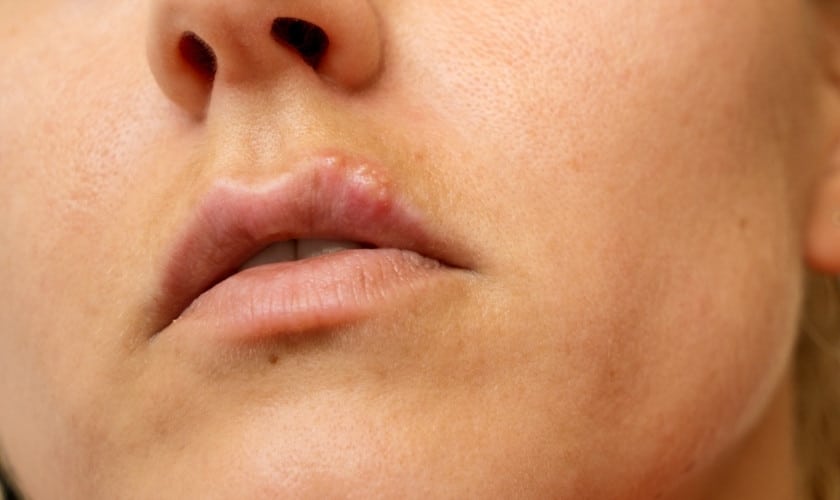
An inflamed roof of the mouth – also known as palatal inflammation – can be uncomfortable, alarming, and disruptive to everyday activities like eating, drinking, and speaking. While it’s often caused by minor irritations, it can sometimes signal an underlying oral health issue that needs attention. Understanding the possible causes, recognizing symptoms early, and knowing how to find relief can help you manage the condition effectively and protect your oral health.
In this detailed guide, we’ll explore what causes inflammation on the roof of the mouth, common symptoms to watch for, practical home remedies, professional treatment options, and when it’s time to seek dental care.
What Is an Inflamed Roof of the Mouth?
The roof of the mouth consists of two parts:
- Hard palate – the bony front portion
- Soft palate – the softer tissue toward the back of the mouth
Inflammation occurs when these tissues become irritated, swollen, red, or painful due to injury, infection, or other triggers. The severity can range from mild tenderness to intense pain that interferes with daily life.
Common Causes of an roof of mouth hurts
1. Hot Food and Beverage Burns
One of the most common causes is a thermal burn from hot coffee, tea, pizza, or soup. These burns damage the delicate tissue, leading to redness, swelling, and pain.
2. Trauma or Physical Injury
Scratches from sharp foods like chips, hard bread, or accidental injury from dental appliances can irritate the palate and cause inflammation.
3. Allergic Reactions
Food allergies, reactions to toothpaste, mouthwash, or dental materials can trigger inflammation on the roof of the mouth.
4. Infections (Fungal, Viral, or Bacterial)
- Oral thrush (fungal infection) can cause redness and soreness.
- Cold sores or viral infections may inflame the soft palate.
- Bacterial infections from poor oral hygiene can also contribute.
5. Smoking and Tobacco Use
Smoking irritates oral tissues, reduces blood flow, and weakens the immune response, making inflammation more likely and slower to heal.
6. Nutritional Deficiencies
Low levels of iron, vitamin B12, or folic acid can affect oral tissues and lead to inflammation or soreness.
7. Dehydration and Dry Mouth
A lack of saliva can make oral tissues more vulnerable to irritation and infection.
8. Dental Issues and Appliances
Ill-fitting dentures, braces, or retainers may rub against the palate and cause chronic irritation. In such cases, it’s important to visit our dental office to have the appliance adjusted properly.
Symptoms to Look Out For
An inflamed roof of the mouth may present with one or more of the following symptoms:
- Redness or swelling on the palate
- Pain or tenderness, especially when eating or drinking
- Burning or tingling sensation
- Peeling or blistered skin
- White patches (often linked to fungal infections)
- Dryness or sensitivity
- Difficulty swallowing or speaking in severe cases
If symptoms persist beyond a few days or worsen, professional evaluation is recommended.
Effective Relief Tips for an roof of mouth hurts
1. Avoid Irritating Foods
Stay away from hot, spicy, acidic, or crunchy foods that can aggravate the inflamed area. Opt for soft, cool foods like yogurt, smoothies, and soups at room temperature.
2. Rinse with Salt Water
A warm saltwater rinse can reduce inflammation and kill bacteria. Mix half a teaspoon of salt in a glass of warm water and rinse gently 2 – 3 times a day.
3. Stay Hydrated
Drinking plenty of water helps maintain saliva flow and supports the healing of oral tissues.
4. Use a Soft-Bristled Toothbrush
Gentle brushing prevents further irritation while maintaining good oral hygiene.
5. Apply Cold Compresses
Sucking on ice chips or using a cold compress externally can help numb pain and reduce swelling.
6. Avoid Tobacco and Alcohol
Both substances can worsen inflammation and delay healing.
7. Use Over-the-Counter Oral Gels
Topical oral anesthetic gels can provide temporary pain relief, especially if eating is uncomfortable.
When to See a Dentist
While mild cases often heal on their own, you should seek professional care if:
- Pain lasts longer than 7–10 days
- Swelling increases or spreads
- You notice pus, fever, or signs of infection
- White or red patches do not fade
- You experience frequent or recurring inflammation
In these situations, it’s best to book an appointment with a dental professional for an accurate diagnosis and targeted treatment.
Professional Treatment Options
Depending on the cause, a dentist may recommend:
- Antifungal or antiviral medications for infections
- Adjustments or replacement of dental appliances
- Prescription mouth rinses to reduce inflammation
- Nutritional guidance or supplements for deficiencies
- Treatment for underlying dental or gum disease
Early intervention helps prevent complications and ensures faster recovery.
How to Prevent a Roof of Mouth Sore?
A sore on the roof of the mouth can be painful and make everyday activities like eating and drinking uncomfortable. These sores are often caused by burns from hot foods, irritation from sharp foods, poor oral hygiene, stress, or dental appliances that rub against oral tissues. Fortunately, a few simple habits can help prevent them.
One of the best ways to avoid mouth sores is to let hot foods and beverages cool before eating or drinking. Foods like pizza, soup, and coffee can easily burn the delicate tissue on the roof of the mouth. Avoiding sharp or crunchy foods, such as chips and hard crackers, may also reduce irritation.
Maintaining good oral hygiene is important for keeping the mouth healthy. Brush gently with a soft-bristled toothbrush, floss daily, and use an alcohol-free mouthwash to minimize irritation. Staying hydrated can also help prevent dry mouth, which may increase the risk of sores.
Limiting spicy and acidic foods may be helpful for people with sensitive mouths. Stress management is another important factor, as stress can sometimes trigger mouth sores. In addition, properly fitted dentures, retainers, or mouthguards can prevent rubbing and irritation.
If sores continue to return or do not heal within two weeks, visiting a dental professional is recommended to identify possible underlying causes and receive proper treatment.
How to Prevent an Inflamed Roof of the Mouth?
Prevention is often easier than treatment. Consider these tips:
- Let hot foods and drinks cool before consuming
- Maintain proper oral hygiene
- Replace toothbrushes regularly
- Stay hydrated
- Avoid smoking and excessive alcohol use
- Schedule routine dental checkups
Frequently Asked Questions
1. How long does an inflamed roof of the mouth take to heal?
Mild irritation usually heals within 3–7 days. Infections or chronic causes may take longer and require professional treatment.
2. Can stress cause inflammation in the roof of the mouth?
Yes, stress can weaken the immune system, making the mouth more susceptible to infections and inflammation.
3. Is an inflamed roof of the mouth a sign of oral cancer?
In most cases, no. However, persistent sores, lumps, or color changes that don’t heal should be evaluated by a dentist.
4. Can dehydration cause mouth inflammation?
Yes, dehydration reduces saliva flow, increasing the risk of irritation and inflammation.
5. Are home remedies enough to treat palate inflammation?
Home remedies can help mild cases, but persistent or severe symptoms need professional care.
6. Can allergies cause swelling on the roof of the mouth?
Absolutely. Food or environmental allergies can trigger inflammation and discomfort.
7. Should I stop brushing if my mouth hurts?
No. Continue brushing gently with a soft-bristled toothbrush to maintain oral hygiene without causing further irritation.