
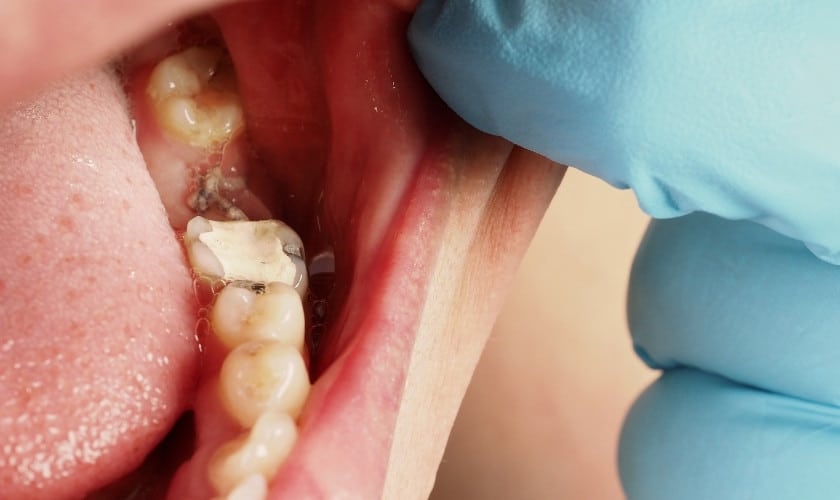
Cavities are a common dental issue, but getting them filled promptly can save your smile. The lifespan of a dental filling depends on several factors, from the type of material used to your daily habits. At Dental Group of Lubbock, we help patients understand these details to make informed choices for long-term oral health.
In this blog, we’ll break down the average durability of cavity fillings, explore what influences their longevity, and share tips to make yours last as long as possible. Whether you’re dealing with a small decay spot or a larger cavity, knowing this info empowers you to protect your teeth effectively.
Types of Cavity Fillings and Their Expected Lifespan
Not all fillings are created equal. Dentists select materials based on the cavity’s location, size, and your bite strength. Here’s a rundown of common types and how long they typically endure:
- Amalgam (Silver) Fillings: These metal alloys have been a staple for decades. They shine in high-stress back teeth, lasting 10-15 years or more with proper care. Their durability comes from a strong bond that resists wear from chewing.
- Composite (Tooth-Colored) Fillings: Made from resin and glass particles, these blend seamlessly with natural teeth – an aesthetic win for front teeth. They average 5-10 years, though advances in bonding tech are extending this.
- Gold Fillings: Custom-cast for precision fit, gold offers exceptional strength, often lasting 15-30 years. It’s pricier and less common today due to aesthetics.
- Ceramic or Porcelain Fillings (Inlays/Onlays): Lab-made for larger cavities, these match tooth color and withstand forces well, typically 10-15 years.
- Glass Ionomer Fillings: Fluoride-releasing and ideal for low-chew areas or kids’ teeth, they last 5-7 years but help prevent new decay.
These estimates come from studies by the American Dental Association (ADA) and clinical data. Real-world results vary – some fillings outlast expectations, while others fail early due to external factors.
Factors That Affect How Long Your Filling Lasts
A filling’s lifespan isn’t set in stone. Several elements play a role:
1. Material Quality and Placement
High-quality materials from reputable labs ensure better adhesion. Poor placement – like air bubbles or weak bonding – can lead to cracks or leaks within months. Skilled dentists, such as those at Dental Group of Lubbock (call +1 (806) 855-3942 for a checkup), use precision techniques to maximize durability.
2. Location in the Mouth
Back molars endure massive pressure (up to 200 pounds per bite), so fillings there wear faster than on front teeth. Molars might need replacement every 7-10 years, while incisors hold up longer.
3. Oral Hygiene Habits
Brushing twice daily, flossing, and using fluoride toothpaste prevent decay around the filling’s edges. Neglect invites bacteria, causing secondary cavities that loosen the filling – potentially halving its life.
4. Diet and Lifestyle Choices
Sugary snacks, acidic drinks (soda, citrus), and hard foods (ice, nuts) accelerate wear. Grinding teeth (bruxism) or habits like nail-biting add stress. Smokers face higher failure rates due to reduced saliva flow.
5. Saliva Production and Overall Health
Saliva neutralizes acids and remineralizes enamel. Dry mouth from medications or conditions shortens filling life. Age matters too – kids’ fillings may not last as long due to growing jaws.
Signs Your Cavity Filling Needs Replacement
Don’t wait for pain – early detection preserves your tooth. Watch for:
- Sensitivity: Sharp pain to hot, cold, or sweets signals cracks or leaks.
- Visible Damage: Chips, rough edges, or discoloration.
- Pain When Biting: Indicates looseness or fracture.
- Swelling or Bad Breath: Infection from bacterial infiltration.
- Staining or Gaps: Composite fillings can stain; gaps allow decay.
How to Make Your Cavity Filling Last Longer
Extend your filling’s life with these practical steps:
- Maintain Rigorous Hygiene: Brush for two minutes with a soft-bristle toothbrush and fluoride paste. Floss daily to clean filling margins.
- Smart Eating: Limit sugars and acids; rinse with water after meals. Chew gum with xylitol to boost saliva.
- Protect Against Grinding: Ask your dentist about night guards if you clench.
- Avoid Harmful Habits: Skip using teeth as tools – no cracking ice or pens.
- Get Professional Cleanings: Twice-yearly visits remove buildup that hygiene misses.
- Choose the Right Material: Discuss options with your dentist. Composites suit visible areas; amalgam for durability.
Following these, many patients enjoy fillings for the upper end of their ranges – or beyond.
Debunking Common Myths About Cavity Fillings
- Myth: All fillings last forever. Reality: None are permanent; they’re interim until crowns or other restorations if needed.
- Myth: White fillings are always better. Reality: Amalgam outperforms in wear-prone spots.
- Myth: Fillings cause allergies. Reality: Rare (under 1% for amalgam mercury); discuss sensitivities upfront.
When to Upgrade to Other Restorations
If a filling fails repeatedly, consider crowns, veneers, or implants. Early intervention at a trusted Lubbock practice prevents root canals.
Final Thoughts: Invest in Longevity for Your Smile
5-30 years, depending on type and care. Prioritize quality materials, hygiene, and checkups to hit the high end. Lubbock families trust Dental Group of Lubbock for reliable fillings that stand the test of time – reach out at +1 (806) 855-3942.
Here are 6 SEO-optimized FAQs tailored for the “Dental Group of Lubbock” blog. They’re structured for easy integration at the end (e.g., before Final Thoughts), with a schema-friendly Q&A format, Lubbock targeting, and the exact CTA mentioned once.
Frequently Asked Questions (FAQs)
1. How long does a typical cavity filling last in Lubbock?
Most fillings last 5-15 years, depending on the type. Amalgam holds up to 10-15 years for back teeth; composites average 5-10 years. Factors like hygiene extend this—Lubbock patients at Dental Group of Lubbock often see the upper range.
2. What makes a filling fail early?
Poor oral care, grinding, sugary diets, or hard foods cause cracks or leaks. Bruxism shortens life by 30-50%.
3. Are composite fillings better for front teeth?
Yes, their tooth-colored match is ideal for smiles. They bond well but wear faster in molars (5-10 years). We specialize in durable, aesthetic options.
4. Can I prevent my filling from wearing out?
Brush/floss daily, limit acids/sugars, and use a night guard if you grind. Fluoride rinses remineralize edges, adding years.
5. Is filling replacement painful?
Modern numbing makes it quick and comfortable. Soreness is rare and short-lived. Lubbock locals trust our gentle techniques.