

Educational stress has become a significant concern for parents and educators alike. Beyond affecting academic performance, stress can also impact children’s physical health, including their dental hygiene. This article delves into how stress manifests in children and its surprising effects on their teeth.
Understanding Educational Stress

Educational stress refers to the pressure children feel to succeed academically. It can stem from various sources, including exams, homework, and social expectations. This stress isn’t inherently negative but can become problematic when it exceeds manageable levels.
The Link Between Stress and Dental Health
Recent studies have shown a clear connection between stress and oral health. When children experience prolonged stress, their bodies release cortisol, a hormone that can weaken the immune system and increase inflammation. This weakening of the body’s defenses makes children more susceptible to oral infections and gum disease.
Physical Effects of Stress on Teeth
Stress-induced cortisol release can lead to a variety of physical effects on teeth. For example, weakened immune responses can make it harder for the body to fight off infections like gingivitis or periodontitis. In severe cases, chronic stress may even contribute to conditions like bruxism, or teeth grinding, which can wear down enamel and cause jaw pain.

Behavioral Impact on Oral Hygiene
Stressed children often neglect their oral hygiene routines, which can exacerbate the effects of stress on their dental health. They may forget to brush their teeth regularly, skip flossing, or rush through their oral care routine, leading to an increase in plaque buildup and cavity formation.
Stress-Induced Eating Habits

One common coping mechanism for stress is comfort eating, often involving sugary snacks or drinks. These foods not only provide temporary relief but also increase the risk of tooth decay and gum disease. Furthermore, stressed children may opt for convenience over nutrition, choosing processed foods that lack essential vitamins and minerals needed for healthy teeth and gums.
Coping Mechanisms and Their Effectiveness
Teaching children effective stress management techniques can significantly reduce the impact of stress on their oral health. Encouraging activities like mindfulness, physical exercise, and hobbies can help children cope with stress in healthy ways, reducing the likelihood of stress-related dental problems.
Signs and Symptoms of Dental Stress
Recognizing early signs of stress-related dental issues can help parents intervene before problems escalate. Signs to watch for include changes in eating habits, increased sensitivity in teeth, jaw pain, or frequent canker sores. These symptoms may indicate that stress is affecting your child’s dental health and should prompt a discussion with a pediatric dentist.
Preventive Measures for Parents
Parents play a crucial role in helping their children manage stress and maintain good oral hygiene. Some practical steps parents can take include:
Setting a Routine: Establishing a consistent daily routine for oral care helps children develop healthy habits.
Limiting Sugary Foods: Encourage balanced meals and limit sugary snacks, which can contribute to tooth decay.
Regular Dental Visits: Schedule regular dental check-ups to catch any potential issues early and reinforce good oral health practices.
Open Communication: Create an open dialogue with your child about their stress levels and oral health concerns. Encourage them to talk about any fears or anxieties they may have about dental visits or oral care.
Professional Dental Support
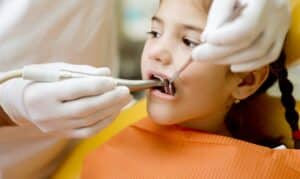
If stress-related dental issues persist or worsen, it may be time to seek professional help from a dentist specializing in pediatric care. Pediatric dentists can provide additional support and treatment options tailored to your child’s needs, ensuring their dental health remains a priority.
Conclusion
In conclusion, while educational stress is a normal part of childhood, its impact on dental health can be mitigated through awareness, prevention, and early intervention. By understanding the signs and implementing preventive measures, parents can help ensure their children’s oral health remains strong despite the pressures of growing up.
FAQs
What are the signs of stress affecting my child’s teeth?
Signs include increased teeth grinding, canker sores, and a reluctance to brush their teeth regularly.
How can I help my child manage stress to protect their dental health?
Encourage regular physical activity, sufficient sleep, and open communication to reduce stress levels.
Should I be worried if my child’s academic stress is affecting their eating habits?
Yes, stress-related changes in eating habits, especially sugary snacks, can increase the risk of dental issues.
When should I consult a dentist about stress-related dental problems?
If you notice any unusual changes in your child’s oral health or behavior, it’s best to consult a pediatric dentist promptly.
Can stress really cause cavities in children?
Yes, stress can weaken the immune system, making children more susceptible to cavities and other dental problems.
This comprehensive guide aims to equip parents with the knowledge and tools needed to protect their children’s dental health in the face of educational stress. By understanding the connection between stress and oral health and taking proactive measures, parents can ensure that their children’s smiles stay healthy and bright.