
Dental implants have transformed modern dentistry by offering a long-term solution to missing teeth. While they function much like natural teeth, patients often wonder if food can get stuck underneath them. Understanding how dental implants work and how to properly care for them is essential for long-term success and comfort. In this article, we’ll explore this common concern and offer insights on how to avoid complications.
How Dental Implants Work
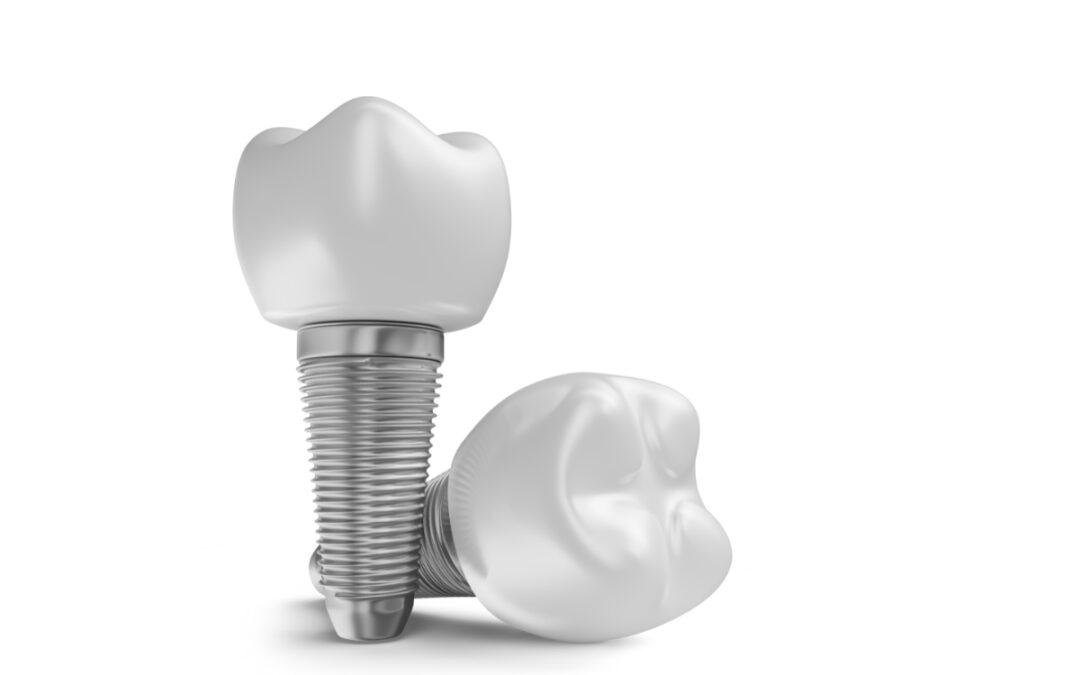
Dental implants consist of three parts: the implant post, the abutment, and the crown. The post is surgically placed in the jawbone and acts as a root replacement. Once the bone fuses around the implant, the abutment is placed on top of the post to support the crown. The crown is the visible part that mimics a natural tooth. Due to this design, food particles can sometimes become trapped between the gum and the crown if not properly maintained.
Can Food Really Get Stuck Under Dental Implants?
Yes, food can get stuck under dental implants, although it’s not a common issue when implants are well-fitted and the patient follows proper oral hygiene routines. In cases where food does become trapped, it’s usually between the gumline and the crown rather than under the actual implant post.
Common Areas Where Food Might Get Trapped:
- Gumline Around the Crown – Food can sometimes lodge near the gum where the crown meets the implant.
- Spaces Between Teeth – Like natural teeth, implants may have small gaps between them where food can get stuck.
- Gum Recession – If the gums recede over time, this can create small pockets around the implant where debris can collect.
Why Does Food Get Stuck Under Implants?
Several factors can contribute to food becoming trapped under dental implants. Let’s look at these factors in more detail:
Poorly Fitted Crowns
If the crown is not properly fitted to the implant or gumline, there may be gaps where food can lodge. This can be more common in older restorations or when the placement wasn’t performed with precision.
Gum Recession
Over time, the gums can naturally recede or shrink, especially in patients with a history of gum disease. This can expose the area where the implant and gumline meet, making it easier for food particles to become trapped.
Bone Loss
Just like gum recession, bone loss can contribute to food getting stuck. While the implant itself is secure, the surrounding bone may not provide enough support to keep the gum tight against the crown.
Insufficient Oral Hygiene
Neglecting proper oral care, including brushing and flossing around the implant, can allow food to accumulate. Regular cleanings and consistent oral care are essential for preventing this issue.
How to Prevent Food From Getting Stuck Under Implants
Although food can sometimes get trapped, there are several ways to prevent it and maintain good oral health with dental implants.
1. Use Proper Flossing Techniques
Flossing around implants is crucial. Use implant-specific floss or a water flosser to clean the areas between the gumline and crown.
2. Regular Dental Check-ups
Routine visits to your dentist ensure that your implant is in good condition and that any small issues are addressed before they become bigger problems. Dentists can check for gum recession and ensure the fit of the crown is still optimal.
3. Interdental Brushes
Interdental brushes can help reach areas that normal toothbrushes might miss, especially the spaces between the implant crown and adjacent teeth.
4. Good Oral Hygiene
Brush at least twice a day with a soft-bristle toothbrush, and use an antiseptic mouthwash to help eliminate any bacteria that can cause inflammation around the implant.
Symptoms of Food Stuck Under Dental Implants
If food does become trapped under or around your dental implant, you may notice some uncomfortable symptoms. It’s essential to pay attention to these signs so you can act quickly and prevent further complications.
Common Symptoms Include:
- Bad Breath – When food particles get stuck and decay, they can cause persistent bad breath.
- Swelling or Inflammation – You may notice your gums swelling or becoming red around the implant area.
- Gum Bleeding – Bleeding while brushing or flossing near the implant can indicate trapped food.
- Pain or Discomfort – If food is left stuck for too long, it can cause soreness or pain around the implant area.
What Happens if Food Remains Trapped?
While occasional food being stuck isn’t usually a serious issue, it can lead to complications if not addressed properly. Over time, trapped food particles can lead to inflammation, infection, or even implant failure in extreme cases.
Potential Risks Include:
- Peri-implantitis – A type of gum disease that affects the soft and hard tissues around dental implants.
- Bone Loss – If infection sets in, it can lead to loss of the supporting bone structure around the implant.
- Implant Loosening – If bone loss progresses, the implant may become unstable or fail entirely.
How to Remove Food Stuck Under Implants
If food does get trapped under or around your implant, here are some simple steps to remove it:
1. Water Flosser
Using a water flosser can dislodge food particles by directing a stream of water between the gum and crown. It’s gentle on the gums and effective at reaching tight spaces.
2. Interdental Brushes
These small brushes can help sweep away debris from the spaces around the implant without damaging the surrounding tissues.
3. Rinse with Saltwater
A warm saltwater rinse can soothe the gum tissue and help flush out trapped food. It’s a simple and effective solution to relieve discomfort and maintain oral hygiene.
4. Dental Visit
If you are unable to remove the trapped food, it’s important to see your dentist. They can professionally clean the area and ensure there is no underlying issue causing the problem.
Importance of Maintenance and Aftercare
Dental implants are a significant investment, both financially and in terms of oral health. Proper maintenance is crucial for long-term success. Aftercare includes not just routine brushing and flossing but also being aware of any changes in your mouth and scheduling regular dental check-ups.
Post-Implant Care Includes:
- Daily Cleaning – Brush and floss daily, paying special attention to the gumline around the implant.
- Professional Cleanings – Regular dental visits for professional cleaning ensure that any hard-to-reach areas are addressed.
- Healthy Diet – A balanced diet that avoids excessively hard or sticky foods can protect your dental implants from unnecessary stress.
Conclusion
While food can occasionally become trapped under dental implants, it’s a manageable issue with proper care and attention. By understanding how implants work and maintaining good oral hygiene, you can minimize the risk of food particles causing discomfort or complications. Always consult your dentist if you experience persistent issues with food being stuck under or around your dental implants. A proactive approach to aftercare will ensure the longevity and success of your implants.