
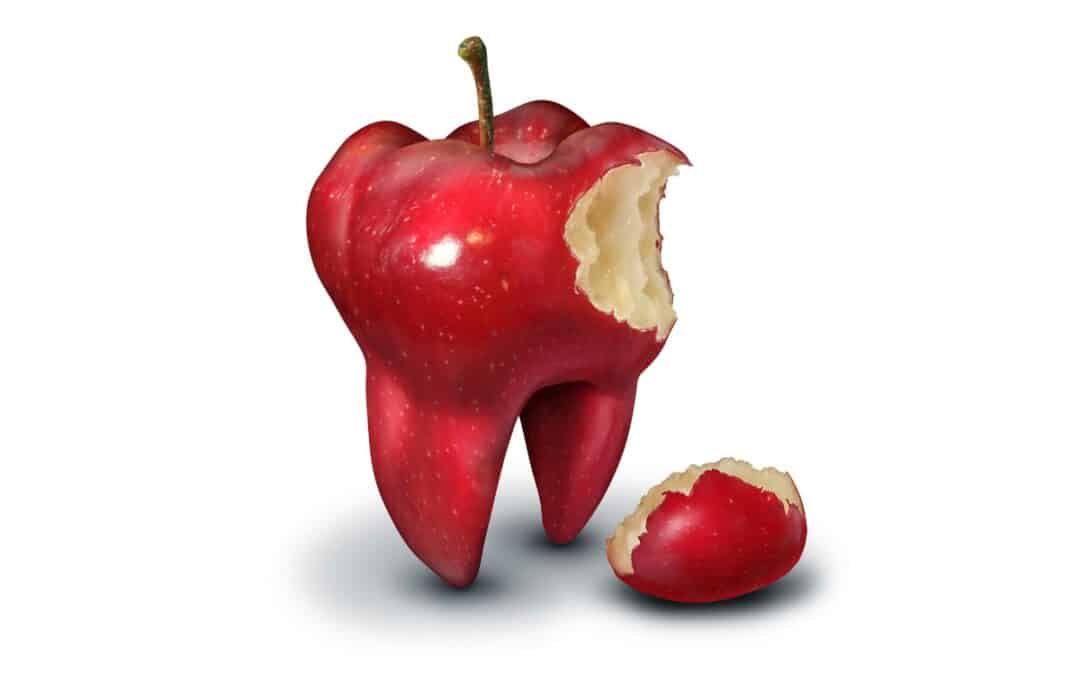
There’s a popular belief that eating apples can help clean your teeth, acting like nature’s toothbrush. But is there any truth to this claim, or is it just another dental myth? In this article, we’ll explore how apples interact with your oral hygiene, the benefits they might offer, and whether they can replace brushing your teeth.
Apples as Nature’s Toothbrush
You’ve probably heard apples being called “nature’s toothbrush” before. This concept stems from the fibrous texture of apples, which, when chewed, is said to scrub whiten the surfaces of your teeth. The firmness of apples can dislodge food particles and stimulate your gums, much like brushing. But while they may help freshen your mouth, can they really clean your teeth as effectively as a toothbrush?
How Apples Can Clean Teeth
The fibrous texture of apples, especially their skin, provides a mild scrubbing action on the surface of your teeth. As you chew, this rough texture works to remove some of the plaque and food debris that accumulates throughout the day. Additionally, apples stimulate the production of saliva, which is a natural defense against bacteria. Saliva helps rinse away food particles and neutralize acids that can cause tooth decay.
Apples vs. Toothbrushes: A Comparison
While apples offer some cleaning benefits, they’re no match for a toothbrush. Apples may help dislodge food particles, but they don’t effectively remove plaque or bacteria that build up over time. Toothbrushes are specifically designed to reach all areas of your mouth, particularly those tight spots between teeth, where apples can’t help. So, while apples can be a part of your oral hygiene routine, they should never be considered a substitute for brushing or flossing.
The Role of Fibrous Foods in Oral Health
Apples aren’t the only fibrous food that can contribute to oral hygiene. Other fruits and vegetables like carrots, celery, and cucumbers also have a similar effect. These foods help scrub teeth and promote saliva production, making them excellent snacks for in-between meals when you can’t brush right away.
Apples and Saliva Production
One of the key ways apples contribute to oral health is by stimulating saliva production. Saliva is crucial in maintaining a healthy mouth because it washes away food particles and neutralizes acids that can erode enamel. When you eat an apple, the increased saliva helps rinse your mouth and keep it clean.
Nutritional Benefits of Apples for Teeth
Besides their scrubbing action, apples are packed with nutrients that support dental health. They are a good source of Vitamin C, which is essential for maintaining healthy gums. Vitamin C promotes collagen production, keeping your gums firm and resilient. Apples also contain antioxidants, which help protect your teeth and gums from harmful bacteria.
Can Apples Prevent Cavities?
While apples can contribute to cleaner teeth, they aren’t a magic solution to cavity prevention. Cavities are caused by bacteria that feed on sugars and produce acids that erode enamel. Although apples help clean the surface of your teeth, they don’t prevent the buildup of harmful bacteria or the development of plaque. Regular brushing, flossing, and visits to the dentist in Lubbock are still necessary to prevent cavities.
The Impact of Apple Acidity on Enamel
However, apples aren’t perfect. They contain natural sugars and acids, which, in excess, can contribute to tooth decay. The acidity in apples, if left on the teeth for too long, can wear down enamel over time. To mitigate this, it’s a good idea to rinse your mouth with water after eating apples, which helps wash away the acid and prevent damage.
The Role of Saliva in Oral Hygiene
Saliva plays a key role in oral health beyond just cleaning your teeth. It helps maintain a neutral pH level in your mouth, preventing acids from eroding your enamel. Keeping hydrated and eating foods that promote saliva production, like apples, can help keep your mouth healthy.
Should You Eat Apples After Every Meal?
It might be tempting to grab an apple after every meal, thinking it will clean your teeth, but moderation is key. While apples can help dislodge food and increase saliva production, eating them in excess can expose your teeth to too much acidity. It’s best to balance apple consumption with other oral hygiene practices, such as brushing and flossing.
The Best Time to Eat Apples for Oral Health
The best time to eat apples is as a snack between meals. This allows the fruit to help clean your teeth when you’re unable to brush right away. However, try to avoid eating apples just before bed, as the sugars and acids can sit on your teeth overnight, increasing the risk of decay.
Other Foods That Help Clean Teeth
In addition to apples, foods like carrots, celery, and leafy greens can also promote oral health. These crunchy, fibrous vegetables provide a similar scrubbing action and help keep your mouth clean in between brushings.
Common Misconceptions About Apples and Oral Hygiene
One common myth is that eating apples can replace brushing. While apples are a great snack for your teeth, they are not a substitute for a good oral hygiene routine. Regular brushing, flossing, and dental check-ups are still essential to maintaining healthy teeth and gums.
Conclusion
While eating apples can contribute to a cleaner mouth and healthier teeth, they should not replace traditional oral hygiene methods like brushing and flossing. Apples offer many benefits, from stimulating saliva to gently scrubbing the teeth, but they cannot remove plaque or prevent cavities on their own. Incorporate apples as part of a balanced diet, and always remember that nothing beats the power of a toothbrush and good dental habits.
Thank you for visiting our blog, and we look forward to being your trusted partner in achieving and maintaining a healthy, beautiful smile. If you have any questions or would like to schedule an appointment, please don’t hesitate to reach out to us at our dental office near you.